
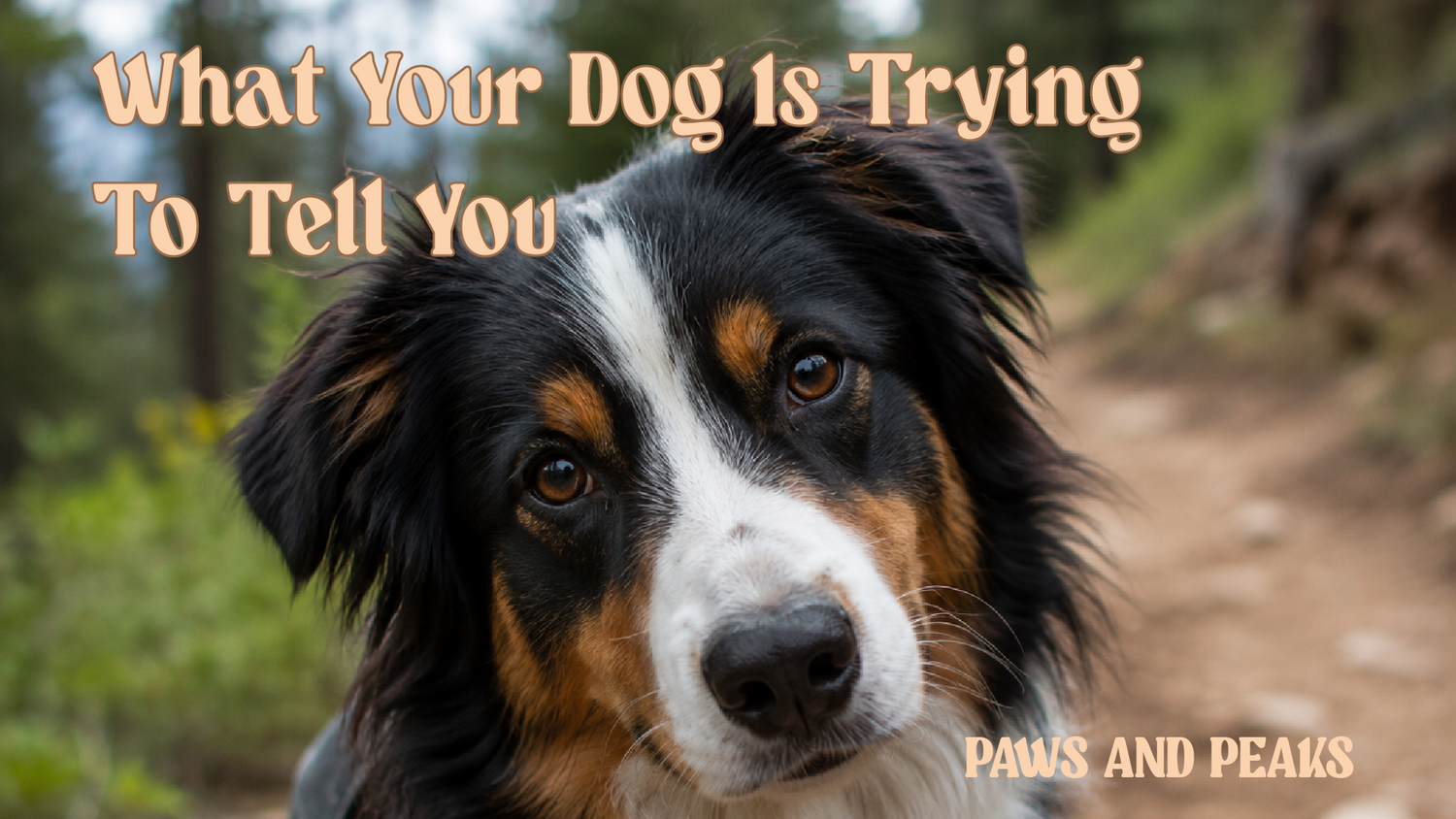
Dog behaviour is one of the most searched topics by dog owners.
Why is my dog doing this?
Is this normal?
Should I be worried?
Behaviour often gets framed as something to fix. Something to correct or manage quickly, especially when it’s labelled as dog behaviour problems.
But behaviour is not random.
It is communication.
In this blog, I want to explore what dog behaviour really represents, why context matters more than labels, and how learning to observe rather than react helps you understand your dog more clearly.
Want to better understand your role in shaping your dog’s behavior and well-being? Explore our guide on the responsibilities of dog owners to learn essential practices for raising a happy pet.
Why Behaviour is Often Misunderstood?
Behaviour is usually discussed in isolation.
1. Barking becomes a problem.
2. Pulling becomes disobedience.
3. Avoidance becomes stubbornness.
When behaviour is separated from context, it’s easy to miss what the dog is responding to, even when it may seem like abnormal dog behaviour on the surface.
Dogs don’t behave without reason. They respond to environments, emotions, physical sensations, and past experiences that shape the overall behaviour of dogs.
Understanding behaviour starts with asking what your dog might be communicating rather than what they are doing wrong.
Behaviour is Communication, Not Defiance
Dogs do not use words.
They use posture, movement, distance, and sound to express how they feel.
1. A dog who pulls away may be unsure.
2. A dog who barks may be overwhelmed.
3. A dog who freezes may be processing something difficult.
When we interpret these signals as defiance or bad behaviour, we often respond with frustration instead of support, especially in cases mistaken for aggressive dog behaviour.
Recognising behaviour as communication shifts the entire dynamic and helps us better understand dog behaviour in real situations.
Want to better understand your dog’s needs and respond to them the right way? Check out our dog care tips to learn simple and effective ways to support your dog’s daily well-being.
Context Changes Everything
The same behaviour can mean very different things depending on the situation.
1. A dog who barks at home may be alerting.
2. The same dog barking outdoors may be overstimulated.
3. A dog who refuses to move may be tired, anxious, or uncomfortable.
Behaviour cannot be understood without context, particularly when observing a sudden dog behaviour change.
Environment, timing, physical state, and emotional load all influence how behaviour appears.
Looking at the full picture provides clarity that quick judgments cannot.
When Behaviour Changes Suddenly
Sudden changes in behaviour often cause the most concern.
1. Reduced tolerance
2. Increased reactivity
3. Withdrawal or avoidance
These shifts are important information.
They may reflect fatigue, discomfort, stress, or changes in routine rather than simply negative dog behaviour.
Rather than focusing on stopping the behaviour, it’s often more helpful to ask what has changed around your dog.
Observation comes before correction.
Curious about how to build a deeper connection with your dog through better understanding? Explore our guide on bonding with your dog to learn simple ways to strengthen trust and communication.
The Role of Emotional Safety
Dogs regulate themselves best when they feel safe.
When emotional safety is present, behaviour tends to soften naturally and may reflect more happy dog behaviour.
Providing space, predictability, and calm responses often reduces behaviours that seem problematic without force or pressure.
Safety is not permissiveness.
It is stability.
Learning to Observe Without Reacting
Understanding behaviour requires slowing down.
1. Watching patterns over time.
2. Noticing triggers.
3. Observing recovery after stimulation.
This kind of awareness builds confidence for both you and your dog.
The more clearly you read behaviour, the less reactive you need to be, and the more naturally you understand dog behaviour.
Looking to make your dog’s first adventure a fun and stress-free experience? Discover our guide on your dog’s first adventure to learn how to build confidence and create positive experiences outdoors.
Bringing It All Together
Dog behaviour is not something to decode once and move on from.
It evolves.
It responds to change.
It reflects internal states we cannot see.
When you learn to view behaviour as communication rather than control, you build trust, understanding, and a calmer relationship.
The goal isn’t perfect behaviour.
It’s mutual understanding.
