
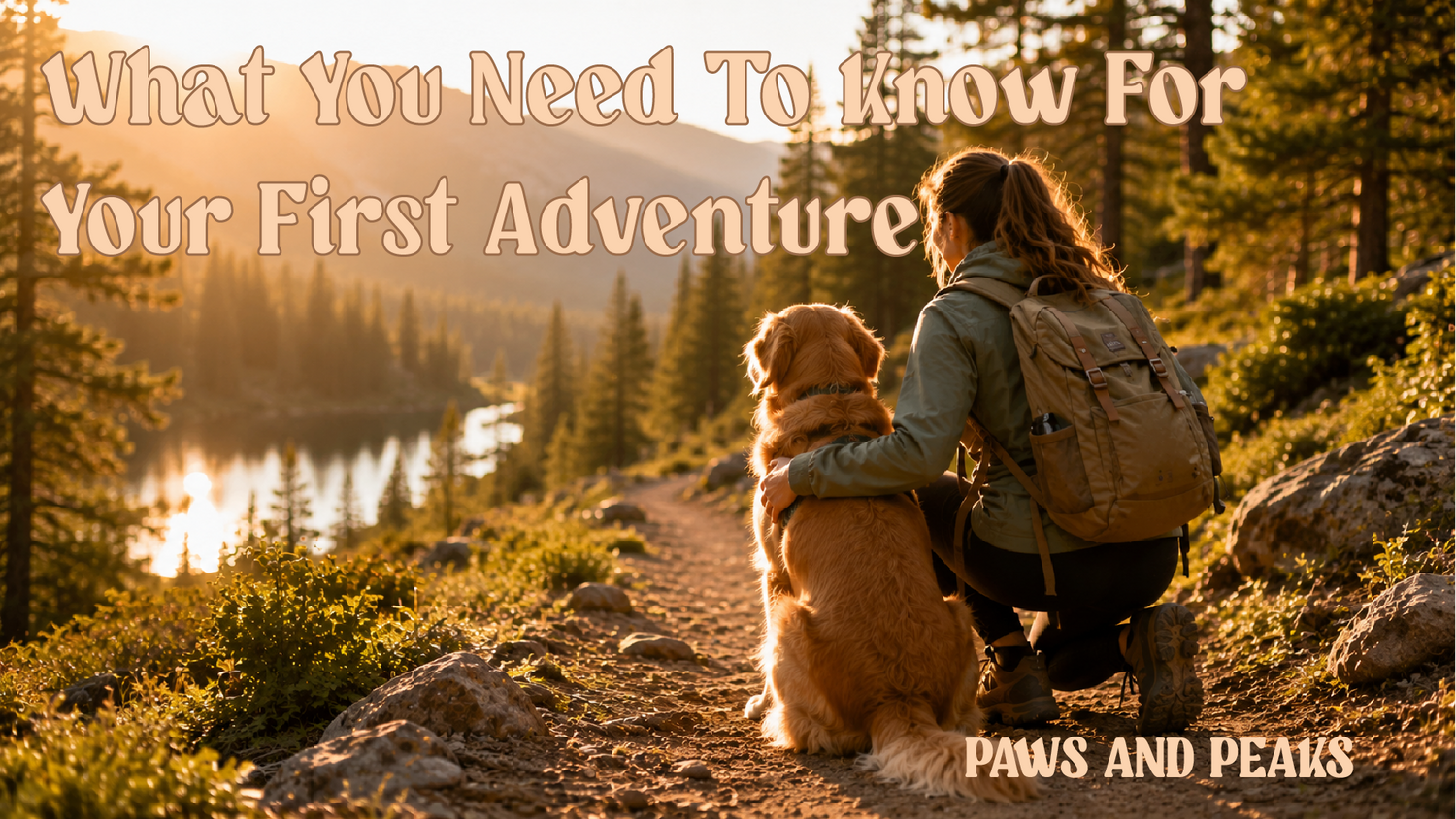
The first dog adventure that you take often carries more weight than you realise.
It sets the tone.
It creates expectations.
And it quietly teaches your dog how the outdoors feels when they are with you.
When people talk about a dog’s “first adventure,” they often picture something big. A long hike. A weekend away. A dramatic destination. But for your dog, the success of that first experience has very little to do with distance or difficulty.
It has everything to do with how safe, supported, and understood they feel.
In this blog, I want to explore what’s actually worth thinking about when you take your doggie on their first outdoor dog adventure, and how approaching it with intention helps build confidence, trust, and a positive foundation for everything that comes after.
Why the First Dog Adventure Matters So Much?
Dogs learn through experience.
That first adventure becomes a reference point. It teaches them whether new environments feel overwhelming or manageable, whether you notice their signals, and whether the world outside home is something to approach with curiosity or caution.
A positive first experience doesn’t need to be perfect. It needs to be supportive.
When the first adventure feels calm for dogs and predictable, they are far more likely to:
1. Settle more easily in new environments
2. Check in with you naturally
3. Trust your decisions outdoors
4. Approach future adventures with confidence
Start Smaller Than You Think You Should
One of the most common mistakes people make is starting too big.
A first dog adventure doesn’t need to be:
1. A long hike
2. A full weekend away
3. A busy campground
4. A highly stimulating environment
In fact, starting small is one of the kindest things you can do.
A strong first dog adventure might look like:
1. A short walk in a new natural area
2. A quiet trail with plenty of space
3. A picnic stop with time to observe and rest
4. A day trip that ends before your dog is tired
Ending on a positive note matters more than how much you do.
Wondering how to prepare for longer adventures with your dog? Discover practical tips and planning advice for multi-day adventures with your dog to help you and your dog stay prepared, safe, and confident on longer trips.
Choosing the Right Environment for a First Adventure
Environment shapes experience.
For first adventures with dogs, look for places that offer:
1. Open space
2. Clear visibility
3. Minimal foot traffic
4. Gentle terrain
5. Easy exits if you need to leave early
Avoid environments that are:
1. Crowded
2. Noisy
3. Highly reactive
4. Wildlife heavy
5. Demanding on the body
The goal is to let your dog explore without being overwhelmed.
What Your Dog Is Learning on That First Outing?
Your dog isn’t just exploring the environment. They’re learning about you in that environment.
They’re noticing:
1. How you respond to new situations
2. Whether you rush or stay calm
3. If you notice when they hesitate
4. How predictable your movements are
5. Whether you adjust when things feel hard
These details shape trust far more than obedience cues ever could.
Dreaming about making outdoor time more exciting and meaningful? Discover practical tips and inspiration for adventure with dogs to start planning memorable and responsible adventures you and your dog can enjoy safely together.
Paying Attention to Pace and Energy
Dogs don’t always show fatigue in obvious ways, especially when they’re excited.
Early signs your dog may need a pause include:
1. Slowing down slightly
2. Sniffing less than usual
3. Choosing to sit or lie down
4. Staying closer to you
Matching your pace to your dog’s energy builds confidence.
The first dog adventure is not about testing limits. It’s about learning rhythms.
Letting Curiosity Lead Without Losing Structure
Exploration is important, especially early on.
When it’s safe, allowing your dog to choose where to sniff or which direction to explore for short stretches teaches them that:
1. Their curiosity is welcome
2. You’re paying attention
3. Exploration happens within boundaries
Structure doesn’t disappear just because curiosity leads. It simply becomes quieter.
Freedom paired with guidance builds trust.
Responding to Small Dog Adventure Challenges Calmly
Small challenges will always appear.
A strange noise.
An unfamiliar surface.
Another dog passing nearby.
These moments matter.
When your dog encounters something new and sees you:
1. Notice it early
2. Stay calm
3. Guide without force
4. Support without pressure
They learn that uncertainty doesn’t equal danger.
Those lessons last far beyond the first adventure.
Creating a Gentle Beginning and Ending
The start and end of your first dog adventure leave the strongest impressions.
Before you begin:
1. Pause briefly
2. Check in with your dog
3. Let them settle before moving forward
As you finish:
1. Slow the pace
2. Allow decompression
3. Avoid rushing straight back into busy environments
Dogs remember how things end. A calm finish helps them process the experience positively.
What a “Successful” First Dog Adventure Really Looks Like?
Success doesn’t look like distance or photos.
A successful first adventure looks like:
1. Your dog feels safe
2. Your dog checks in with you
3. Your dog can rest when needed
4. You finish thinking, we could do that again
That feeling matters more than anything else.
Planning a trip and taking your dog along but unsure how to manage their care on the go? Discover simple ways of dog care when on vacation to keep your pup comfortable, safe, and happy while you’re on an adventure together.
What These Early Dog Adventures Build Over Time?
When first adventures are handled with care, dogs develop:
1. Confidence in new environments
2. Stronger engagement with you
3. Better emotional regulation
4. Increased trust outdoors
These qualities support:
1. Future training
2. Longer adventures
3. Easier handling in unfamiliar places
4. Safer decision-making
Bond first. Everything else follows.
Bringing It All Together
Your dog’s first adventure doesn’t need to be impressive.
It needs to be intentional.
When you focus on:
1. Environment
2. Pace
3. Awareness
4. Calm responses
You create an experience that teaches your dog the outdoors is a place where they are supported.
And once that lesson is learned, every dog adventure that follows becomes easier, safer, and more meaningful.
