
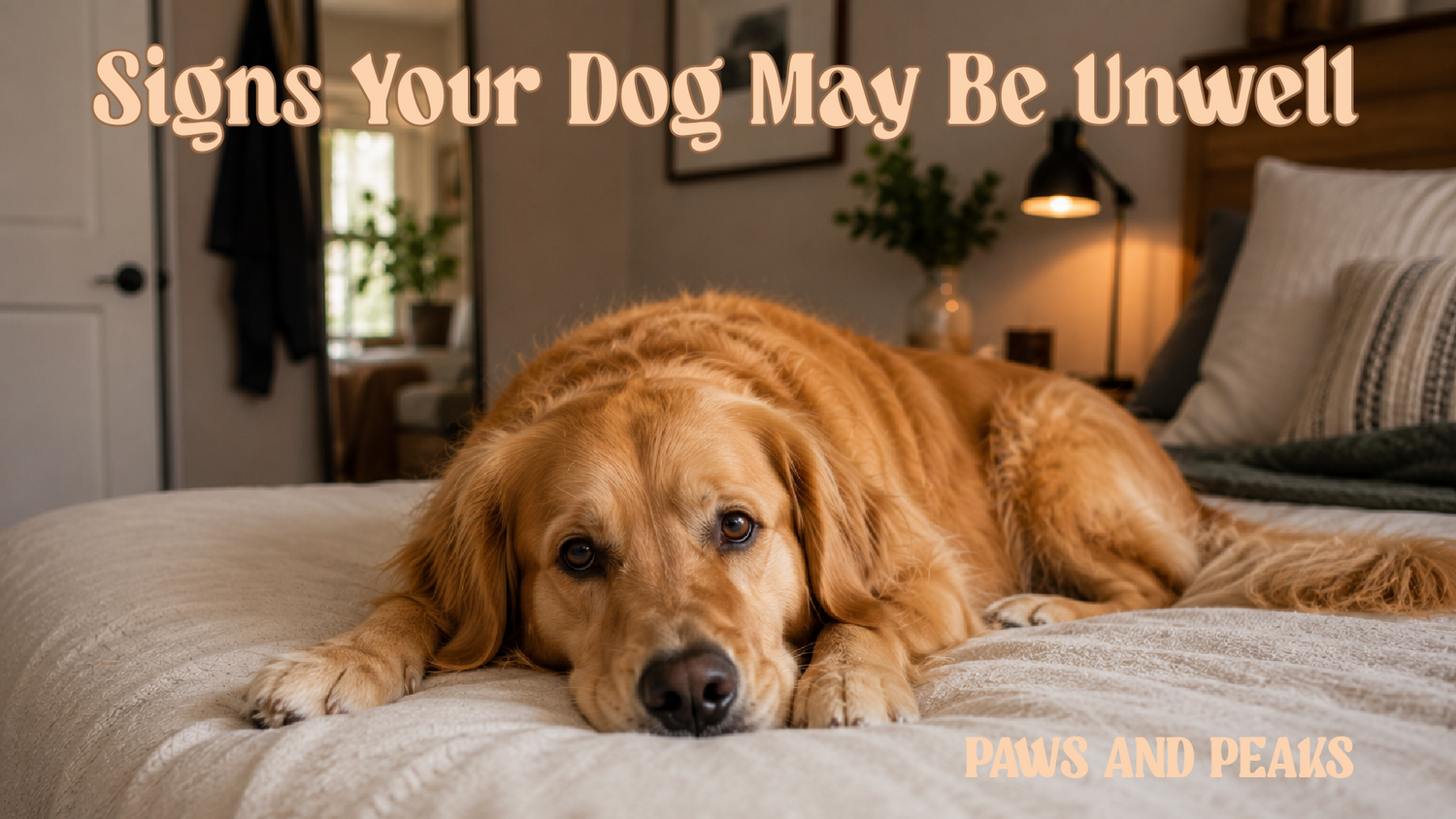
Most dogs don’t show illness in obvious ways at first due to which many early dog illness symptoms can go unnoticed.
They still eat.
They still walk.
They still wag their tail.
But something feels slightly off.
For many owners, the hardest part isn’t recognising a serious emergency. It’s knowing when subtle changes matter and when they don’t, especially when trying to figure out by asking questions like ‘what is wrong with my dog?’
In this blog, I want to explore how dogs often show early signs of being unwell, why those signs are easy to miss, and how learning what’s normal for your dog helps you act with confidence rather than panic.
Looking to keep your dog healthy and avoid common illnesses before they start? Discover our dog care tips to learn simple and effective ways to support your pet’s overall well-being.
Why Early Signs are Often Subtle
Dogs are remarkably good at carrying on.
As animals, they are wired to mask discomfort. This doesn’t mean they don’t feel pain or illness. It means the signs are often quiet and gradual, which is common across many illnesses in dogs.
Small changes are usually the first indicators:
1. Lower energy
2. Less enthusiasm
3. Needing more rest
4. Being slightly out of routine
These signs are easy to dismiss, especially when life is busy, and they’re often the kind of early dog symptoms owners tend to overlook.
Changes in Behaviour Matter
Behaviour is often the first thing to shift when a dog isn’t feeling well, and these subtle shifts can reflect early dog illness signs.
You may notice:
1. Reduced tolerance
2. Increased clinginess
3. Withdrawal
4. Less interest in usual activities
These changes don’t always indicate a medical emergency, but they do indicate that something has changed internally.
Behaviour is information, not inconvenience, and often forms some of the earliest signs your dog is unwell.
Wondering how to keep your dog safe and well cared for while you’re away on vacation? Explore our guide on dog care when on vacation to discover helpful tips for stress-free travel and pet care.
Appetite and Drinking Patterns
Food and water habits provide important clues, and this can be a major part of dog illness symptoms.
1. Eating less
2. Eating more slowly
3. Skipping meals
4. Drinking more or less than usual
One missed meal is rarely an emergency. A pattern of change is worth paying attention to, especially since many common dog diseases begin with small appetite shifts.
Looking at trends over days rather than isolated moments gives clearer insight into your dog’s health.
Movement and Physical Comfort
Subtle discomfort often shows up in movement and can signal an underlying dog illness before anything obvious appears.
1. Slower walking
2. Hesitation on stairs
3. Stiffness after rest
4. Reluctance to jump or climb
Dogs don’t always limp when something is wrong. Sometimes they simply move differently, which in some cases may relate to early dog infection symptoms.
Noticing these shifts early can prevent small issues from becoming bigger ones.
Want to understand your role in keeping your dog healthy and preventing illness? Learn more about the responsibilities of dog owners to discover essential care tips every pet parent should follow.
When to Watch and When to Act
Not every change requires immediate intervention, even if you begin to notice possible dog illness symptoms.
Some things resolve with rest and observation. Others benefit from professional input sooner rather than later, particularly when linked to common diseases in dogs.
Trusting yourself comes from familiarity.
When you know what is normal for your dog, you’re better equipped to notice when something isn’t. Even in those moments when you feel ‘my dog is unwell’ but can’t immediately explain why.
If something continues, worsens, or feels wrong, seeking advice is never an overreaction.
The Role of Calm Observation
One of the most valuable skills a dog owner can develop is calm observation, especially when keeping an eye on subtle dog illness symptoms.
1. Watching without assuming.
2. Noticing without catastrophising.
3. Responding without rushing.
This approach supports better decisions and reduces unnecessary stress for both you and your dog.
Looking to keep your dog active and reduce the risk of health issues? Explore our dog exercise guide to discover simple ways to keep your pet fit and healthy.
Bringing It All Together
Knowing if your dog is unwell doesn’t rely on spotting dramatic symptoms.
It relies on understanding your dog’s baseline and recognising when something shifts, including the quieter dog illness symptoms that are easy to miss.
When you learn to trust subtle changes, you create space for early support, calmer decisions, and better outcomes.
The goal isn’t to worry more.
It’s to notice sooner.
