
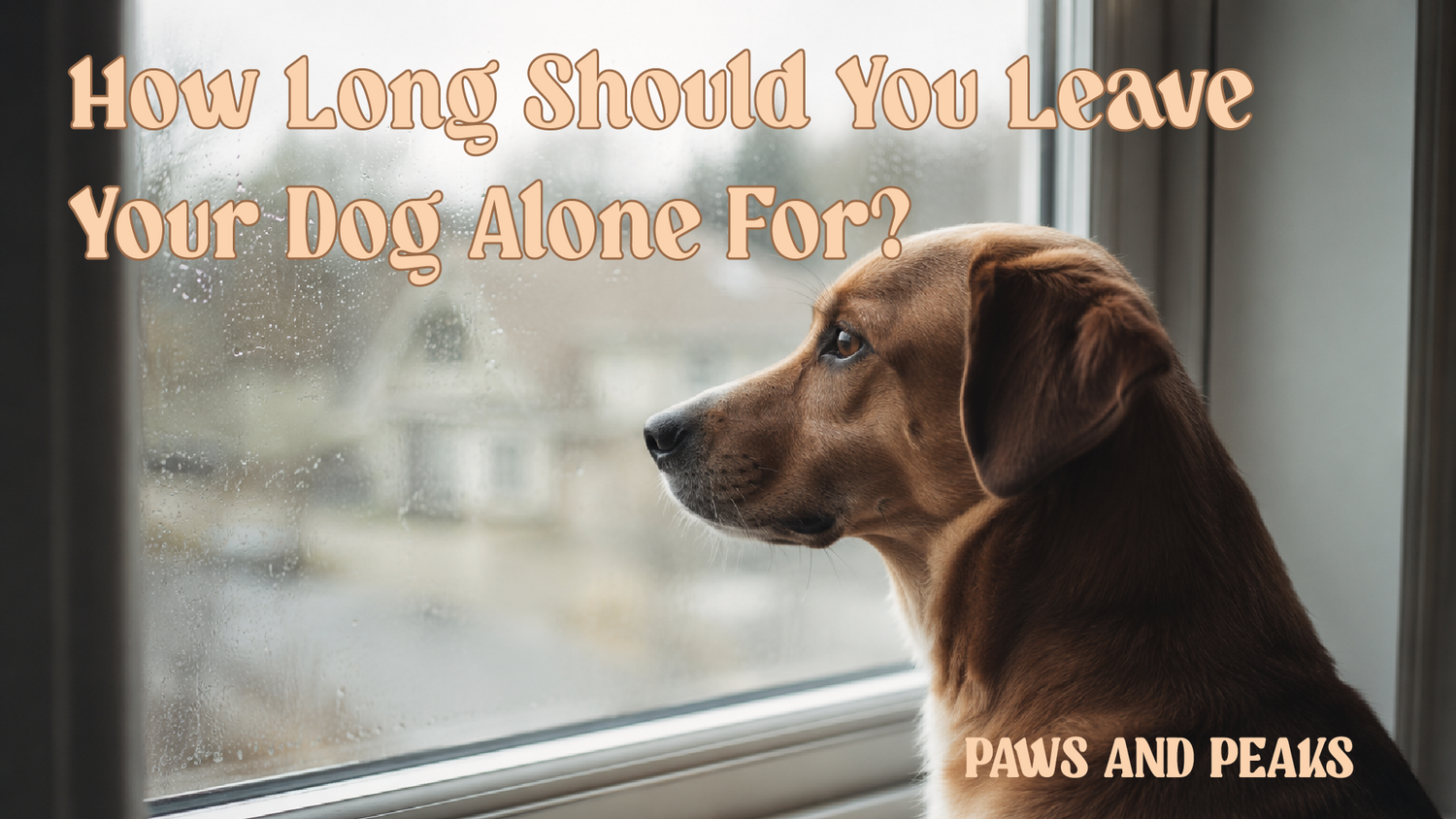
This is one of the questions dog owners ask most quietly.
How long is too long?
Am I doing this wrong?
Is my dog actually okay?
Time alone is often framed as a rule. A number of hours that applies to every dog.
But dogs don’t experience time the way we do.
In this blog, I want to explore what time alone really means for dogs, why there isn’t a universal answer, and how understanding your individual dog helps you make decisions with clarity rather than guilt.
Why There Isn’t a Simple Answer
Dogs vary widely in how they cope with being alone.
Age, temperament, past experiences, daily routine, and emotional security all influence how time alone feels.
Two dogs left for the same number of hours can experience it very differently.
Because of this, time alone can’t be measured by hours alone.
Independence Is Built, Not Assumed
Being comfortable alone is a skill.
It develops through gradual exposure, predictability, and trust.
Dogs who are suddenly expected to manage long periods alone without preparation often struggle, not because they are needy, but because they lack experience.
Supporting independence means allowing dogs to learn that separation is safe and temporary.
What Healthy Time Alone Looks Like
A dog who is coping well with time alone often shows:
Ability to settle
Normal eating and drinking habits
Calm behaviour on return
No signs of distress or destruction
These signs matter more than how long the dog was alone.
Comfort is about emotional regulation, not endurance.
When Time Alone Becomes Too Much
Some signs suggest time alone may be overwhelming:
Persistent vocalisation
Destructive behaviour
Pacing or restlessness
Changes in appetite or sleep
These behaviours aren’t spiteful or dramatic. They’re signals of stress.
When they appear, reducing isolation and seeking support can make a significant difference.
Quality of Routine Matters More Than Hours
A dog’s experience of being alone is shaped by what surrounds it.
Consistent routines
Adequate physical and mental stimulation
Predictable departures and returns
A calm environment
When these elements are present, dogs cope better even when time alone varies.
Letting Go of Guilt
Many owners feel guilt around leaving their dog.
Guilt doesn’t improve outcomes.
Awareness does.
When decisions are made thoughtfully and adjusted as needed, time alone becomes part of a balanced life rather than a source of stress.
Bringing It All Together
Time alone isn’t about meeting a rule.
It’s about understanding your dog’s capacity, supporting their independence, and responding when something isn’t working.
When time alone is approached with intention rather than assumption, dogs feel safer and owners feel more confident.
The goal isn’t constant presence.
It’s secure absence.
