
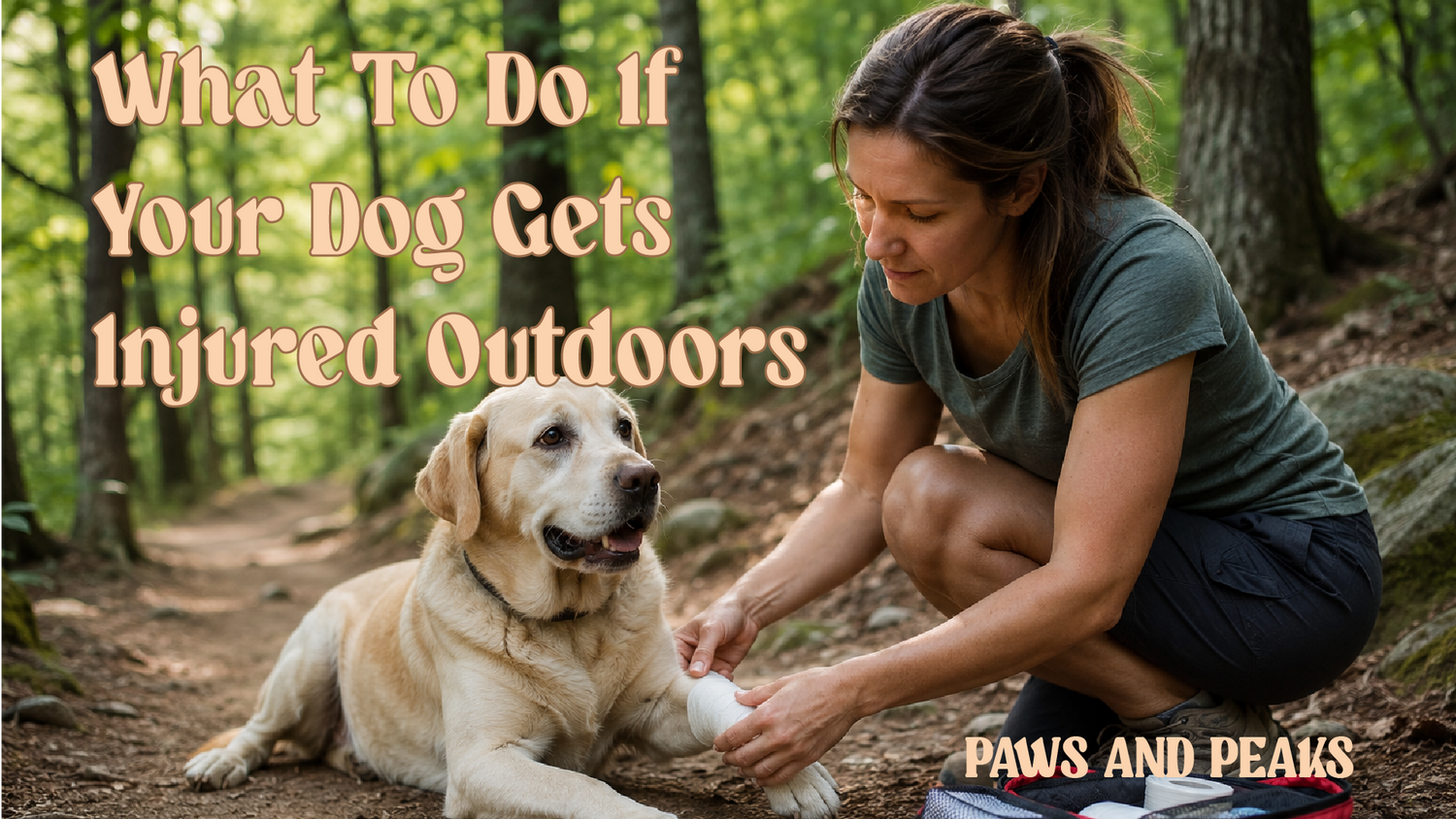
Being outdoors with your dog is one of the best parts of pet ownership. Whether it’s a beach walk, bush track, camping trip, or weekend adventure, these moments create memories that stay with you forever.
But sometimes things can go wrong unexpectedly.
A sharp rock, a cut paw, heat exhaustion, or even a sudden snake encounter can quickly turn a fun outing into a stressful situation. When your dog is hurt, it’s natural to panic, especially when you’re away from immediate help.
The good news is that staying calm and knowing what to do can make a huge difference.
In this blog, we’ll explain how to respond if your dog gets injured outdoors, what signs to look out for, and how to keep your dog safe during adventures.
This guide will help you feel more prepared and confident on every trip together. Keep reading further!
Looking to prepare properly before heading outdoors with your dog? Read our guide on Things Every Dog Needs Before An Outdoor Adventure to help make every trip safer and more enjoyable.
Common Outdoor Injuries Dogs Can Experience
Dogs love exploring, running, climbing, and sniffing through new environments. But outdoor adventures also come with risks that many owners don’t expect.
Even a short walk can sometimes lead to small injuries or health concerns.
Before learning what to do, let’s look at some common outdoor injuries dogs may experience:
- Cut or damaged paw pads
- Small cuts and scrapes
- Tick bites
- Snake bites
- Heat exhaustion
- Splinters or thorns in paws
- Insect bites or stings
- Limping or muscle strain
- Eye irritation from dust or dirt
- Minor bleeding wounds
Understanding these situations early can help you respond faster and keep your dog calmer during stressful moments.
Want to better understand how outdoor conditions can affect your dog’s health and wellbeing? Learn more in our blog on Australian Outdoor Hazards Every Dog Owner Should Know.
What To Do If Your Dog Gets Injured Outdoors
When an injury happens outdoors, your first reaction matters.
Dogs can sense panic quickly, which may make them more anxious or distressed. Staying calm helps both you and your dog handle the situation more safely.
Here are some important steps to follow if your dog becomes injured during an outdoor adventure:
Stay Calm And Move To Safety
Move your dog away from immediate danger if possible.
This may include:
- moving off a walking track
- finding shade
- getting away from water
- avoiding other dogs or wildlife
Keeping your dog calm and still is often the safest first step.
Check The Injury Carefully
Look over your dog slowly and gently.
Check for:
- bleeding
- swelling
- limping
- cuts
- signs of pain
- excessive panting
- unusual behaviour
Even minor injuries can become worse if ignored.
If your dog seems frightened or uncomfortable, avoid sudden movements and speak calmly.
Treat Minor Cuts Or Paw Injuries
Paw injuries are one of the most common outdoor problems dogs experience.
If your dog has a small cut or scrape:
- rinse the area with clean water
- remove visible dirt gently
- apply pressure if bleeding
- wrap lightly with a clean bandage if needed
Avoid continuing long walks after a paw injury, as rough surfaces can make the damage worse.
Watch For Signs Of Heat Exhaustion
Australian conditions can become dangerous very quickly for dogs.
Signs of overheating may include:
- heavy panting
- drooling
- weakness
- vomiting
- wobbling
- collapse
If you suspect heat exhaustion:
- move your dog into shade immediately
- offer cool water slowly
- wet their paws and belly with cool water
- contact a vet if symptoms continue
Prevention is always safer than treatment.
You can also explore our guide on How Much Exercise Does Your Dog Really Need to better understand safe activity levels for your dog.
Be Aware Of Snake Or Tick Risks
Snake bites and tick paralysis are serious emergencies in Australia.
Symptoms may include:
- shaking
- weakness
- collapse
- vomiting
- difficulty breathing
If you suspect a snake bite or paralysis tick:
- keep your dog as still as possible
- carry them if safe to do so
- go directly to the nearest emergency vet
Fast action is extremely important.
You can also read our blog on Common Mistakes People Make Hiking With Dogs to avoid preventable outdoor injuries.
Why Preparation Makes Outdoor Adventures Easier
Many outdoor emergencies become easier to handle when you’re prepared before leaving home.
Carrying a simple dog first aid kit can help you manage minor injuries until professional help is available.
Helpful items may include:
- bandages
- saline solution
- tweezers
- tick remover
- antiseptic wipes
- emergency vet contacts
- spare lead
- cooling towel
Preparation gives you confidence and helps your dog stay safer during adventures.
If you’re planning regular adventures with your dog, our guide on Strengthening Your Bond With Your Dog Through Outdoor Exploration is another great read before your next trip.
Bringing It All Together
Outdoor adventures with your dog should feel exciting, relaxing, and memorable. While accidents can happen unexpectedly, knowing how to respond calmly can make a huge difference when your dog needs help most.
Being prepared doesn’t mean avoiding adventure.
It means giving your dog the safest and happiest experience possible while exploring together.
With Paws & Peaks by your side, every adventure becomes easier, safer, and more enjoyable for both you and your dog.
