
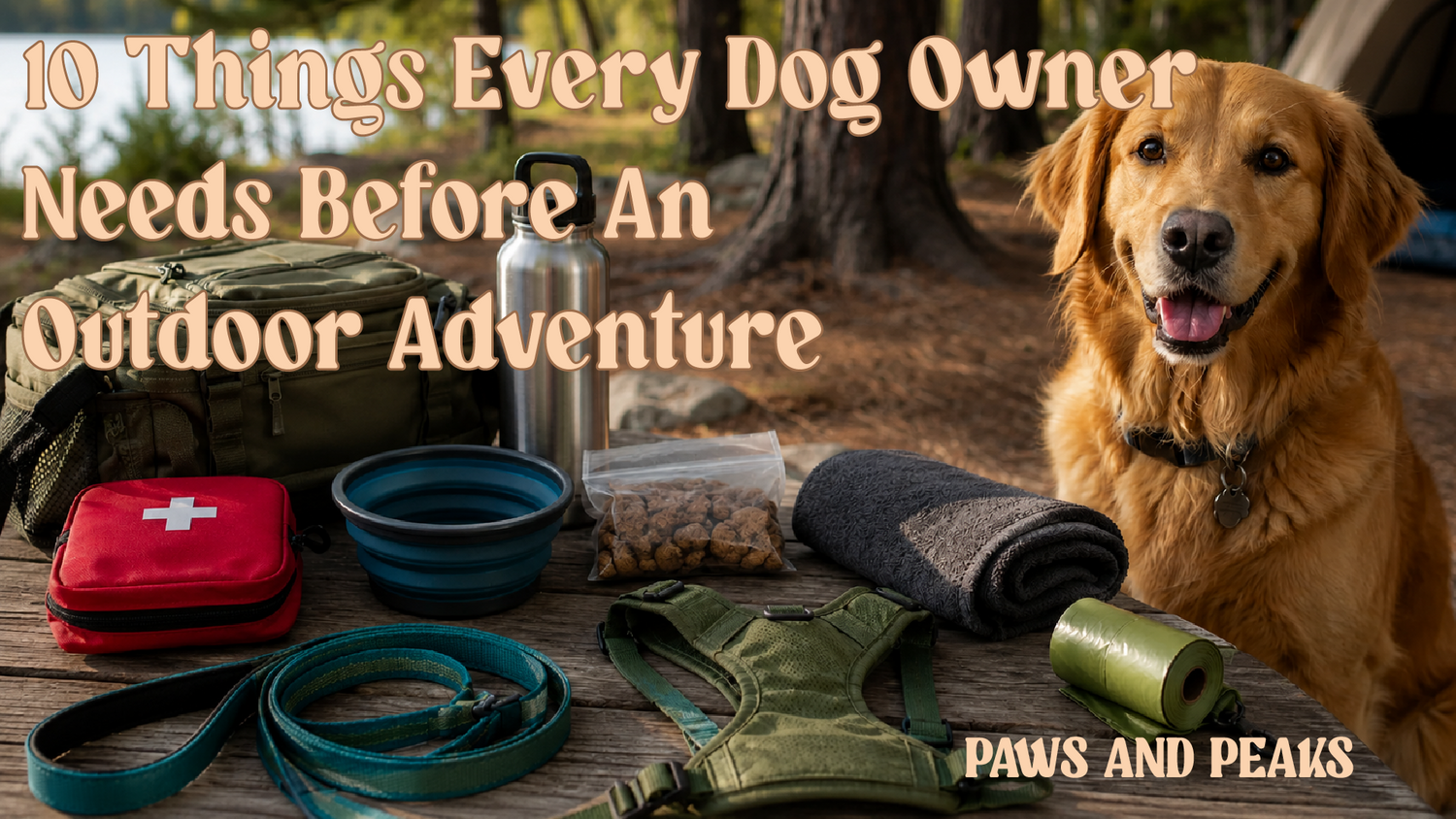
There’s nothing better than heading outdoors with your dog. Whether it’s a beach walk, camping weekend, bush hike, or road trip, adventures together create memories that last forever.
But before heading out, preparation matters more than most dog owners realise.
Many outdoor problems happen because essential items are forgotten or owners underestimate conditions during the trip. Even short adventures can quickly become stressful if your dog becomes dehydrated, overheated, injured, or overwhelmed.
The good news is that a little preparation can make every adventure safer, easier, and far more enjoyable for both you and your dog.
In this blog, we’ll cover 10 important things every dog owner should bring or prepare before an outdoor adventure.
This guide will help you feel more confident and ready before your next trip together. Keep reading further!
Want to understand how outdoor conditions can affect your dog’s safety and wellbeing? Read our guide on Australian Outdoor Hazards Every Dog Owner Should Know before your next adventure.
Why Preparation Matters Before Outdoor Adventures
Outdoor environments are unpredictable.
Your dog may experience:
- changing weather conditions
- rough terrain
- wildlife encounters
- dehydration
- exhaustion
- injuries
- unfamiliar surroundings
Being prepared helps reduce stress and keeps your dog safer throughout the adventure.
Before we look at what to pack, let’s go through the essential things every dog owner should think about before heading outdoors.
1. Fresh Water
Hydration is one of the most important parts of outdoor safety for dogs.
Dogs can overheat and dehydrate much faster than humans, especially during warmer Australian conditions.
Always carry more water than you think you’ll need.
Natural water sources may contain:
- bacteria
- algae
- parasites
- pollutants
Portable dog bowls or collapsible bowls can make hydration much easier during walks and hikes.
2. Identification Tags
Even well trained dogs can become distracted or lost in unfamiliar environments.
Your dog should always have:
- identification tags
- updated contact details
- council registration
- microchip information kept current
This simple step can make a huge difference if your dog becomes separated from you outdoors.
3. A Reliable Lead
Outdoor adventures can become unpredictable very quickly.
Wildlife, other dogs, steep tracks, and unfamiliar surroundings can all create situations where leash control becomes important.
Bringing a backup lead is also a smart idea in case your primary lead becomes damaged during the trip.
4. A Dog First Aid Kit
Minor injuries can happen unexpectedly outdoors.
Having basic first aid supplies helps you respond calmly and quickly until professional help becomes available.
Useful items may include:
- bandages
- saline solution
- antiseptic wipes
- tweezers
- tick removers
- gauze pads
You can also read our blog on What To Do If Your Dog Gets Injured Outdoors to better understand how to respond during emergency situations.
5. Snacks Or Food
Outdoor adventures often require more energy than regular daily walks.
Long hikes, beach trips, and camping weekends can tire dogs out faster than expected.
Bringing enough food or treats helps maintain your dog’s energy throughout the day.
6. Weather Awareness
Checking weather conditions before leaving is extremely important.
Before heading outdoors, check:
- temperature
- storm warnings
- fire danger ratings
- trail conditions
- water access
Avoid outdoor adventures during extreme heat whenever possible.
If you’re unsure how heat affects dogs during outdoor activities, our guide on How Much Exercise Does Your Dog Really Need can help you better understand safe activity levels.
7. Paw Protection
Dogs experience rough surfaces differently from humans.
Hot sand, rocky tracks, rough terrain, and long walks can all damage paw pads.
Regularly check your dog’s paws for:
- cracks
- redness
- cuts
- limping
- irritation
Starting with shorter adventures can help build paw strength gradually.
8. Recall Training
Reliable recall becomes incredibly important outdoors.
Even friendly dogs may become distracted by:
- wildlife
- new smells
- other dogs
- unfamiliar environments
Basic recall training improves safety and helps outdoor adventures feel less stressful.
Want to help your dog feel calmer and more confident outdoors? Explore our guide on How To Build Your Dog’s Confidence Outdoors.
9. Rest Breaks
Many dogs will keep walking simply because they want to stay close to their owner.
That doesn’t always mean they should keep going.
Regular breaks allow your dog to:
- cool down
- hydrate properly
- rest muscles
- reduce stress
- recover energy
Rest becomes especially important during longer outdoor adventures.
10. An Emergency Plan
Many owners head outdoors without thinking about what they would do if something went wrong.
Before leaving, always know:
- nearest vet clinic
- emergency vet numbers
- mobile reception areas
- nearest safe exit points
Preparation helps you stay calmer if an emergency happens.
You can also read our blog on Common Mistakes People Make Hiking With Dogs to avoid preventable outdoor risks.
Bringing It All Together
Outdoor adventures with dogs should feel exciting, relaxing, and memorable. Most outdoor problems can be reduced with simple preparation before leaving home.
Packing properly, understanding your dog’s needs, and planning ahead can make every adventure safer and more enjoyable for both you and your dog.
With Paws & Peaks by your side, every outdoor adventure becomes easier, safer, and filled with more confidence for you and your dog.
