
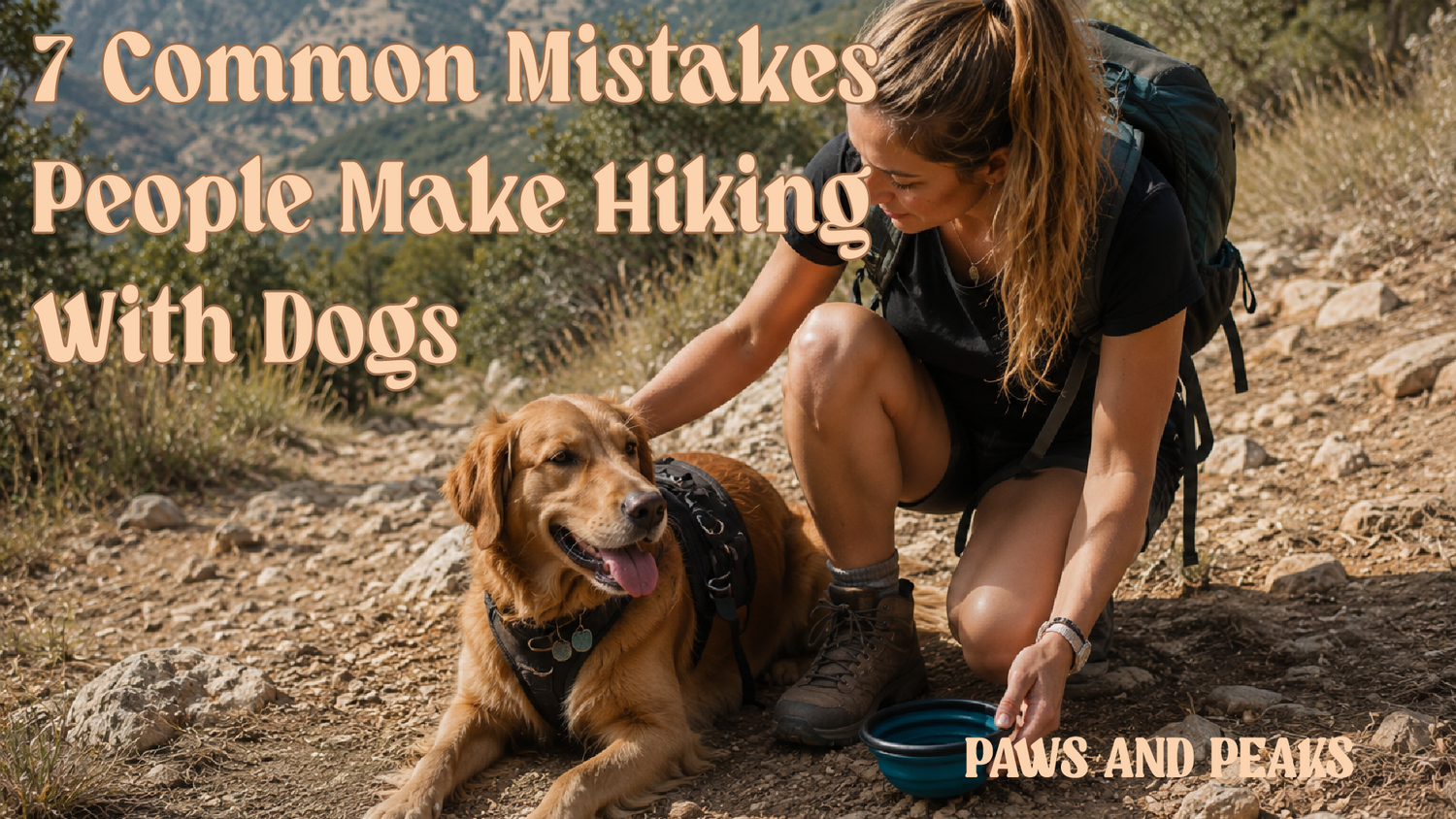
Hiking with your dog can be one of the most rewarding experiences for both you and your pet. Exploring new tracks, beaches, forests, and outdoor trails together creates unforgettable memories and strengthens your bond along the way.
But many dog owners underestimate how different hiking is compared to a regular daily walk.
Outdoor adventures come with changing weather conditions, rough terrain, wildlife, dehydration risks, and physical exhaustion that can quickly become overwhelming for dogs if owners aren’t properly prepared.
The good news is that most hiking problems can be avoided with a little awareness and preparation beforehand.
In this blog, we’ll cover some of the most common mistakes people make when hiking with dogs and how to help keep your outdoor adventures safer and more enjoyable.
This guide will help you feel more prepared before your next outdoor trip together. Keep reading further!
Looking to prepare properly before heading outdoors with your dog? Read our guide on 10 Things Every Dog Owner Needs Before An Outdoor Adventure to help make every trip safer and more enjoyable.
Why Hiking With Dogs Requires Extra Preparation
Hiking places extra physical and mental pressure on dogs.
Unlike short neighbourhood walks, outdoor trails often involve:
- uneven terrain
- hotter temperatures
- longer distances
- wildlife encounters
- unfamiliar environments
- limited water access
Without proper preparation, small problems can quickly become dangerous.
Before your next adventure, let’s look at some of the most common mistakes dog owners make while hiking outdoors.
1. Not Bringing Enough Water
One of the biggest mistakes owners make is underestimating how much water their dog needs outdoors.
Dogs can become dehydrated much faster than humans, especially during warmer Australian conditions.
Many owners assume natural water sources will be available, but lakes, rivers, and puddles may contain:
- bacteria
- parasites
- algae
- pollutants
Always bring more water than you think you’ll need.
2. Hiking During Extreme Heat
Australian temperatures can become dangerous very quickly for dogs.
Hot ground, direct sunlight, and long exposure increase the risk of heat exhaustion and burned paw pads.
Signs of overheating may include:
- excessive panting
- weakness
- drooling
- wobbling
- vomiting
If you want to better understand outdoor heat risks, explore our guide on Australian Outdoor Hazards Every Dog Owner Should Know.
3. Ignoring Paw Injuries
Many dogs continue walking even when they are uncomfortable or injured.
Sharp rocks, rough trails, and hot surfaces can all damage paw pads during hikes.
Regularly check your dog’s paws for:
- cuts
- redness
- limping
- cracking
- irritation
Small injuries can quickly become worse if ignored.
You can also read our blog on What To Do If Your Dog Gets Injured Outdoors to learn how to respond calmly during outdoor emergencies.
4. Choosing Trails That Are Too Difficult
Not every dog is suited to long or difficult hikes.
Age, breed, fitness, weather conditions, and confidence levels all play a role in what your dog can safely handle.
Starting with shorter and easier walks helps build your dog’s endurance gradually.
Pushing dogs too hard too quickly can increase the risk of:
- exhaustion
- dehydration
- injury
- stress
5. Letting Dogs Off Lead In Unsafe Areas
Even friendly and well trained dogs can become distracted in unfamiliar outdoor environments.
Wildlife, cyclists, cliffs, snakes, and other dogs can all create dangerous situations unexpectedly.
Reliable recall takes time and training.
Always follow local leash rules and assess the environment carefully before allowing off lead freedom.
6. Forgetting About Rest Breaks
Many dogs keep walking simply because they want to stay close to their owner.
That doesn’t always mean they should continue.
Regular breaks allow your dog to:
- cool down
- hydrate properly
- recover energy
- reduce stress
- avoid overexertion
Rest becomes especially important during longer hikes and warmer weather.
7. Ignoring Your Dog’s Confidence Levels
Some dogs naturally love outdoor adventures, while others may feel nervous or overwhelmed in unfamiliar environments.
Busy tracks, wildlife sounds, crowds, and unfamiliar smells can increase stress for some dogs.
Pay attention to signs that your dog may feel uncomfortable or anxious.
Want to help your dog feel calmer and more confident outdoors? Read our guide on How To Build Your Dog’s Confidence Outdoors.
Bringing It All Together
Hiking with your dog should feel exciting, enjoyable, and rewarding for both of you. Most hiking mistakes happen because owners underestimate outdoor conditions or simply aren’t fully prepared before leaving home.
Understanding your dog’s needs, planning ahead, and recognising potential risks can make every outdoor adventure safer and far more enjoyable.
With Paws & Peaks by your side, every hiking adventure becomes easier, safer, and more memorable for both you and your dog.
