
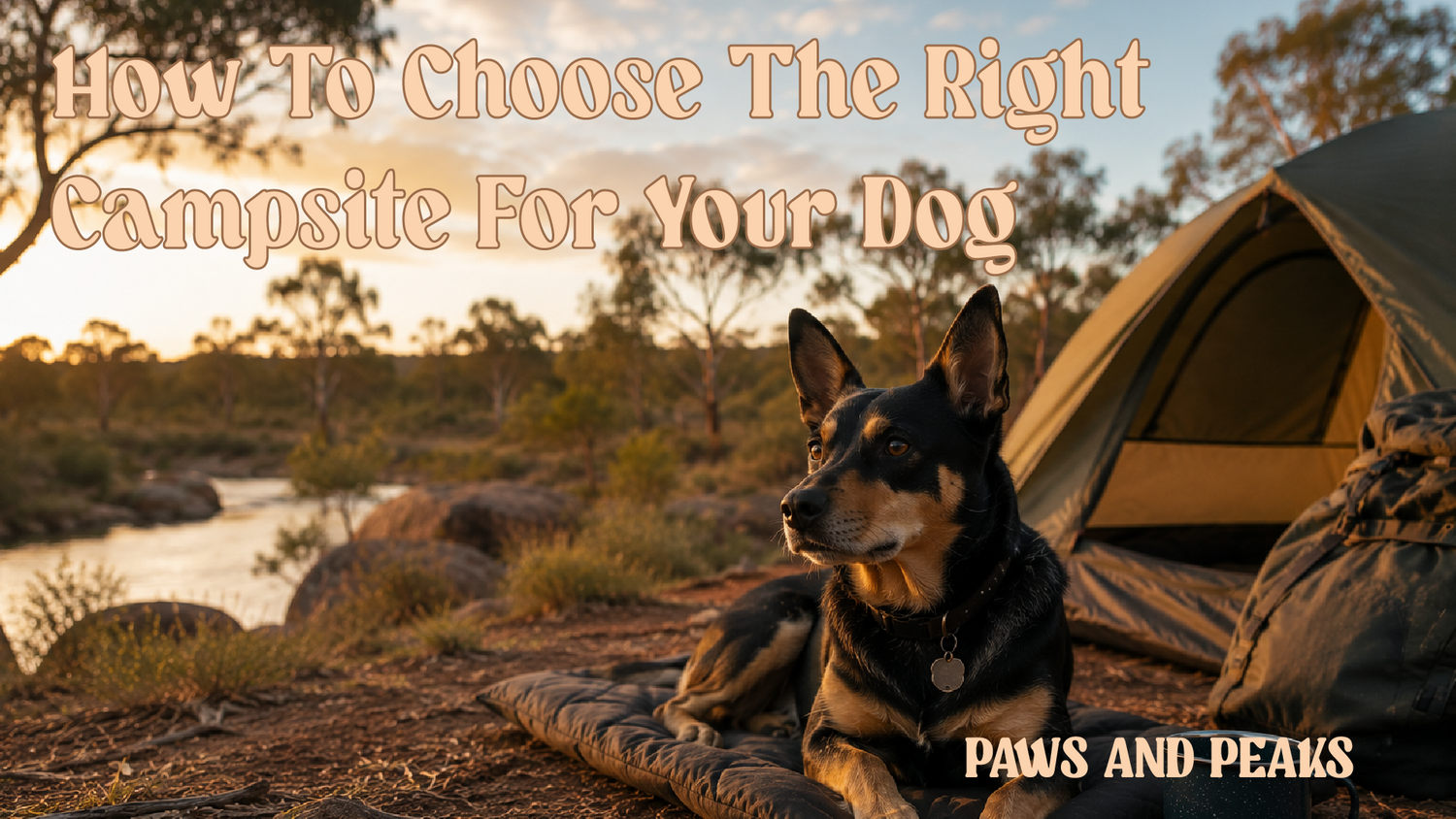
When people think about campsite for dogs, they often focus on whether dogs are allowed. Rules, regulations, tick boxes.
But in my experience, there is a big difference between a campsite that allows dogs and a campsite that actually feels right for them.
Some campsites look perfect on paper but leave dogs unsettled, restless, or overstimulated. Others seem simple or unremarkable, yet your dog relaxes almost immediately. The difference usually comes down to the environment, not the amenities.
Choosing the right campsite when you’re camping with a dog isn’t about finding the most scenic spot or the closest one to facilities. It’s about choosing a place where your dog can rest, regulate, and feel secure while sharing the adventure with you.
Thoughtful selection of campsite for dogs is one of the most overlooked parts of camping with dogs.
Why Campsite Choice Matters More Than We Think?
Indoors, dogs have predictable boundaries. Familiar sounds. Clear routines.
Outdoors, everything is amplified.
New smells travel through the air. Wildlife moves nearby. Other campers pass through shared spaces. Ground textures change. Sounds echo differently.
Your dog takes all of this in at once.
The campsite you choose becomes their base. It’s where they sleep, eat, recover, and decompress. If the environment feels overwhelming, it affects their behaviour, energy levels, and ability to enjoy the trip.
A well-chosen campsite for dogs doesn’t just improve comfort. It supports confidence and trust, especially during an extended vacation with pets.
Looking for ways to help your dog enjoy night-time outdoor adventures? Discover helpful insights in nighttime outdoor dog adventures to create safe and memorable nighttime adventures.
Dog Friendly vs Dog Suitable
One of the most important distinctions to make is this.
A dog friendly campsite means dogs are permitted.
A dog suitable campsite means dogs can actually cope there.
A campsite can be dog friendly and still be:
1. Too noisy
2. Too exposed
3. Too busy
4. Too stimulating
Suitability is about how the environment feels to your dog, not what the sign says at the entrance. This awareness is part of the responsibility of a dog owner.
Ground Matters More Than You Expect
Your dog spends a lot of time close to the ground. Lying on it. Walking across it. Rolling in it.
When choosing the best campsite for dogs, look closely at what’s underfoot.
Ground that works well for dogs:
1. Flat or gently sloped
2. Soft soil, grass, or compacted earth
3. Minimal sharp sticks, rocks, or prickles
Ground that causes issues:
1. Loose gravel that irritates paws
2. Sharp stones near sleeping areas
3. Muddy patches that never fully dry
A comfortable surface helps dogs rest properly, which matters more than distance covered during the day while tent camping with dogs.
Shade, Sun, and the Path of the Day
Shade at one time of day does not guarantee shade later.
When you arrive at a campsite, take a moment to notice where the sun will move. Dogs don’t shift themselves constantly to stay comfortable. They rely on you to choose well from the start.
Things to consider:
1. Is there natural shade during the hottest part of the day
2. Can your tent or setup provide additional cover
3. Does the site become exposed in the afternoon
Prioritising shade often matters more than views, particularly when preventing heat stroke in dogs.
Curious about the key responsibilities of dog owners during outdoor trips? Explore responsibilities of dog owners to make every camping experience safe and fun.
Wind, Exposure, and Shelter
Wind affects dogs in ways we often overlook. It carries scents, masks sound, and keeps the environment in constant motion.
Some dogs cope well. Others become alert, restless, or unable to settle.
When choosing a campsite for dogs, notice:
1. Whether the site is exposed or naturally sheltered
2. Tree lines, banks, or terrain that block wind
3. How wind moves through the space
A sheltered site supports better sleep, calmer behaviour, and easier regulation.
Noise, Foot Traffic, and Shared Spaces
Campsites near amenities, paths, or communal areas often have more movement and noise than expected.
Dogs notice every footstep, voice, and rustle.
A campsite that works well for dogs is usually:
1. Slightly set back from main walkways
2. Away from toilets, kitchens, or shared fire pits
3. Not directly beside other tents when possible
Even social dogs benefit from space to switch off, which improves overall dog adventures.
Wildlife Awareness and Natural Triggers
Wildlife activity can increase stress and excitement for dogs, especially overnight.
Before setting up, look for signs of:
1. Animal tracks or droppings
2. Dug ground
3. Food scraps left behind
4. Heavy bird or insect activity
Choosing a site with clear visibility and minimal wildlife signs reduces surprises after dark and lowers the risk of a sign of poisoning in dogs if something harmful has been left behind.
Water Access Without Risk
Water is part of camping, but it can bring challenges.
Creeks, rivers, and lakes attract wildlife and can encourage dogs to drink from unsafe sources.
A balanced approach helps:
1. Keep fresh water available at camp
2. Choose calm entry points if swimming is allowed
3. Avoid sites directly beside water overnight
Water nearby can be enjoyable during the day and stressful at night if not managed thoughtfully. These small adjustments are often included in practical dog travel tips.
Creating a Dog Friendly Camp Layout
Once you’ve chosen the site, how you set it up matters.
A simple, predictable layout helps dogs settle.
Helpful layout choices:
1. A defined sleeping area inside or beside the tent
2. A shaded rest spot during the day
3. Water kept in the same location
4. Lead or tether setup that prevents tangling
5. Food stored securely away from sleeping areas
Predictability builds calm, which is essential for successful tent camping with dog.
Want to make your camping trip with your dog worry-free? Explore essential insights for dog travelling for choosing the perfect spot and preparing for your adventure.
Reading Your Dog Once You Arrive
Even with careful planning, your dog will tell you whether a campsite works.
Positive signs:
1. Relaxed posture
2. Willingness to lie down
3. Easy sleep
4. Casual exploration
Signs the site may not suit:
1. Constant pacing
2. Inability to settle
3. Excessive alertness
4. Persistent barking or whining
Listening early can save the rest of the trip.
What Campsite Choice Teaches Us About Trust?
Choosing the right campsite for dogs is an act of leadership.
It shows your dog that:
1. You notice their needs
2. You prioritise their comfort
3. You adjust when needed
4. You create safety through environment
Trust grows when dogs feel supported before they need help.
Bringing It All Together
Choosing the right campsite when you’re camping with dogs is not about perfection. It’s about awareness.
When you prioritise:
1. Comfort over convenience
2. Calm over closeness
3. Suitability over appearance
You create an environment where your dog can rest, regulate, and truly enjoy the adventure.
The best campsite is not the one with the best view.
It’s the one where your dog can finally exhale.
