
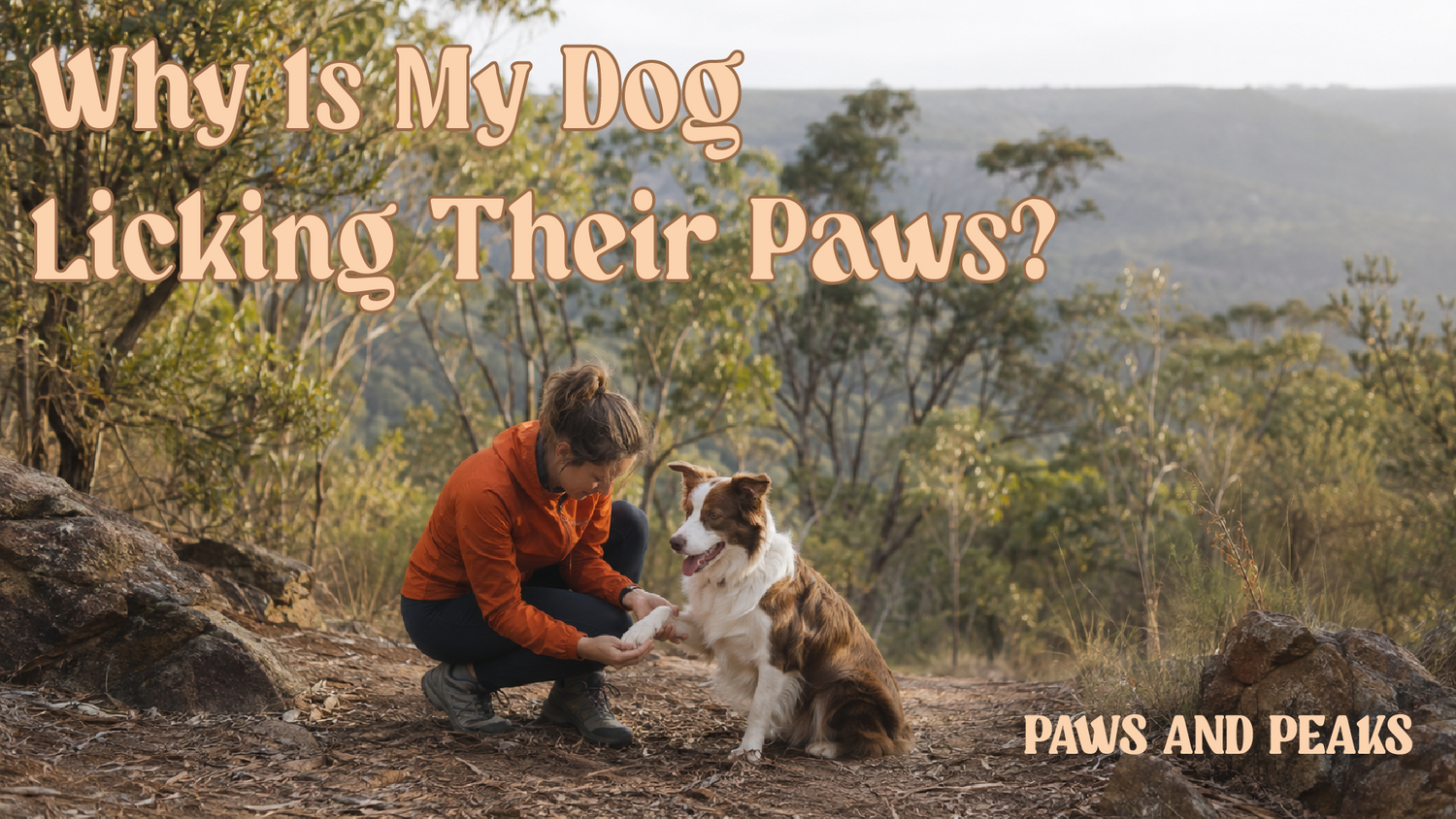
Seeing your dog lick their paws occasionally is usually nothing unusual.
Dogs may briefly clean their feet after a walk, remove something caught in their fur, or settle down with a little self grooming.
But when the licking becomes frequent, focused or difficult to interrupt, it may be a sign that something is irritating your dog or causing discomfort.
From allergies and grass seeds to infections and minor injuries, there are several possible reasons a dog may repeatedly lick their paws.
Here’s what every dog owner should know.
Why Do Dogs Lick Their Paws?
Dogs cannot tell us when something feels itchy, sore or uncomfortable.
Licking is one of the ways they respond to irritation. It may provide temporary relief, but persistent licking can make the problem worse by damaging the skin and introducing moisture and bacteria.
According to the Australian Veterinary Association, excessive licking can be associated with skin allergies, parasites, bacterial or fungal infections and other health conditions.
If your dog suddenly begins licking one paw or regularly licks several paws, it is worth taking a closer look.
1. Something Is Caught In Their Paw
After a walk, hike or outdoor adventure, small pieces of natural material can become trapped around your dog’s paws.
These may include:
• Grass seeds
• Small thorns
• Burrs
• Splinters
• Sand
• Mud
• Small stones
• Pieces of vegetation
Grass seeds can be particularly troublesome because their shape allows them to move into the skin. They commonly become caught between a dog’s toes or around the paw.
If a grass seed appears embedded, the area is painful, or you cannot remove the material easily without digging into the skin, arrange a veterinary examination.
2. Their Paw Is Injured
A dog may begin licking one paw after sustaining a minor injury.
Possible injuries include:
• A small cut
• A cracked paw pad
• A torn or damaged nail
• An insect bite or sting
• Irritation from a rough surface
• A burn from hot ground
• A sprain or other painful injury
Look for bleeding, swelling, redness, limping or a change in the way your dog places the paw on the ground.
Be careful when checking a painful paw. Even a gentle dog may react unexpectedly when they are frightened or uncomfortable.
3. Allergies Are Making Their Paws Itchy
Allergies are a common cause of persistent paw licking.
Dogs may react to environmental allergens such as:
• Grass
• Pollen
• Mould
• Dust mites
• Fleas
• Other substances in their surroundings
Some dogs may also experience food related allergies, although determining the underlying cause requires veterinary guidance.
Dogs affected by allergies may lick more than one paw. You may also notice itchy ears, red skin, hair loss, rubbing of the face or scratching elsewhere on the body.
Because allergies can look similar to several other skin conditions, it is important not to assume that allergies are always responsible.
4. An Infection Has Developed
Constant moisture from licking can damage the skin and create an environment where bacteria or yeast may grow.
Signs that could indicate an infection include:
• Red or inflamed skin
• Swelling between the toes
• An unpleasant smell
• Discharge
• Moist or sticky fur
• Hair loss
• Sores or scabs
• Increased sensitivity
Infections generally require veterinary diagnosis and appropriate treatment.
Avoid applying human creams, antiseptics, essential oils or medications unless your veterinarian has told you they are safe for your dog.
5. Parasites May Be Causing Irritation
Fleas and mites can cause considerable itching.
While fleas may not always be clearly visible, some dogs are highly sensitive to flea saliva and can become extremely itchy after only a small number of bites.
Your veterinarian can help determine whether parasites may be contributing to the licking and recommend an appropriate prevention plan for your dog.
6. The Paw May Be Painful
Not every cause of paw licking begins on the surface of the skin.
Dogs may lick an area that feels painful because of:
• Joint discomfort
• A soft tissue injury
• Nail damage
• A problem affecting the toes
• An old injury
• Another condition beneath the skin
If your dog is licking a paw and also limping, moving differently or avoiding normal activity, a veterinary examination is recommended.
7. Stress Or Boredom May Be Contributing
Some dogs lick themselves when they feel stressed, unsettled or bored.
This type of licking may become repetitive and develop into a habit. However, behavioural causes should not be assumed until pain, allergies, infection and other medical problems have been considered.
If your veterinarian rules out a physical cause, they may recommend changes to your dog’s routine, enrichment or support from a qualified behaviour professional.
How To Check Your Dog’s Paws
If your dog is comfortable being handled, gently inspect each paw in a well lit area.
Check:
• The top and underside of the paw
• Between every toe
• Around each nail
• The paw pads
• The fur surrounding the paw
• Whether one paw feels warmer than the others
Look for cuts, swelling, redness, broken nails, foreign material, unusual smells or discharge.
Compare the affected paw with the opposite paw. This can make subtle changes easier to notice.
Do not squeeze a swollen area, dig into the skin or force your dog to continue if they appear distressed.
What Can You Do At Home?
If the paw appears normal and your dog has only been licking briefly after an outdoor adventure, you can:
• Check carefully for visible debris
• Gently rinse away sand, dirt or mud with clean water
• Dry the paw thoroughly, including between the toes
• Monitor your dog for further licking
• Limit access to rough or irritating surfaces temporarily
These steps are suitable for a simple post walk check. They are not a substitute for veterinary care when licking persists or other symptoms are present.
Repeatedly covering the paw without veterinary advice may trap moisture and make some skin problems worse.
When Should You Contact A Vet?
Arrange a veterinary appointment if:
• The licking continues or keeps returning
• Your dog is focused on one particular paw
• The skin is red, swollen or damaged
• There is an unusual smell or discharge
• Your dog is limping
• A nail is torn or broken
• You suspect a grass seed or foreign object is embedded
• The paw is painful to touch
• Your dog is also scratching, shaking their head or developing skin changes elsewhere
Earlier assessment can help prevent persistent licking from causing further skin damage.
When Is It An Emergency?
Seek urgent veterinary attention if:
• There is significant or uncontrolled bleeding
• Your dog cannot place weight on the leg
• The paw becomes suddenly and severely swollen
• Your dog experiences facial swelling or difficulty breathing
• You suspect a snake bite
• Your dog appears weak, distressed or collapses
• The paw has suffered a serious burn or crushing injury
If you are uncertain about the severity of your dog’s symptoms, contact your veterinarian or an emergency veterinary service for guidance.
How To Protect Your Dog’s Paws Outdoors
You can reduce the risk of paw problems by making paw checks part of every adventure.
After walking through bushland, long grass, beaches or rough terrain:
• Check between your dog’s toes
• Look around the paw pads and nails
• Remove loose burrs and vegetation carefully
• Rinse off sand, mud or irritating residue
• Dry the paws thoroughly
• Watch for licking, limping or discomfort later in the day
It is also important to check the ground temperature before walking during warmer weather. If a surface feels uncomfortably hot against your hand, it may also be too hot for your dog’s paws.
Preparation Starts With A Simple Check
Paw licking can be easy to dismiss, but persistent licking is often your dog’s way of showing that something doesn't feel right.
By checking their paws after every outdoor adventure and recognising changes early, you can respond before a small irritation becomes a more uncomfortable problem.
At Paws & Peaks, we believe every adventure is safer when preparation comes first. Because the best memories are made outdoors, and every dog deserves to come home safely.
