
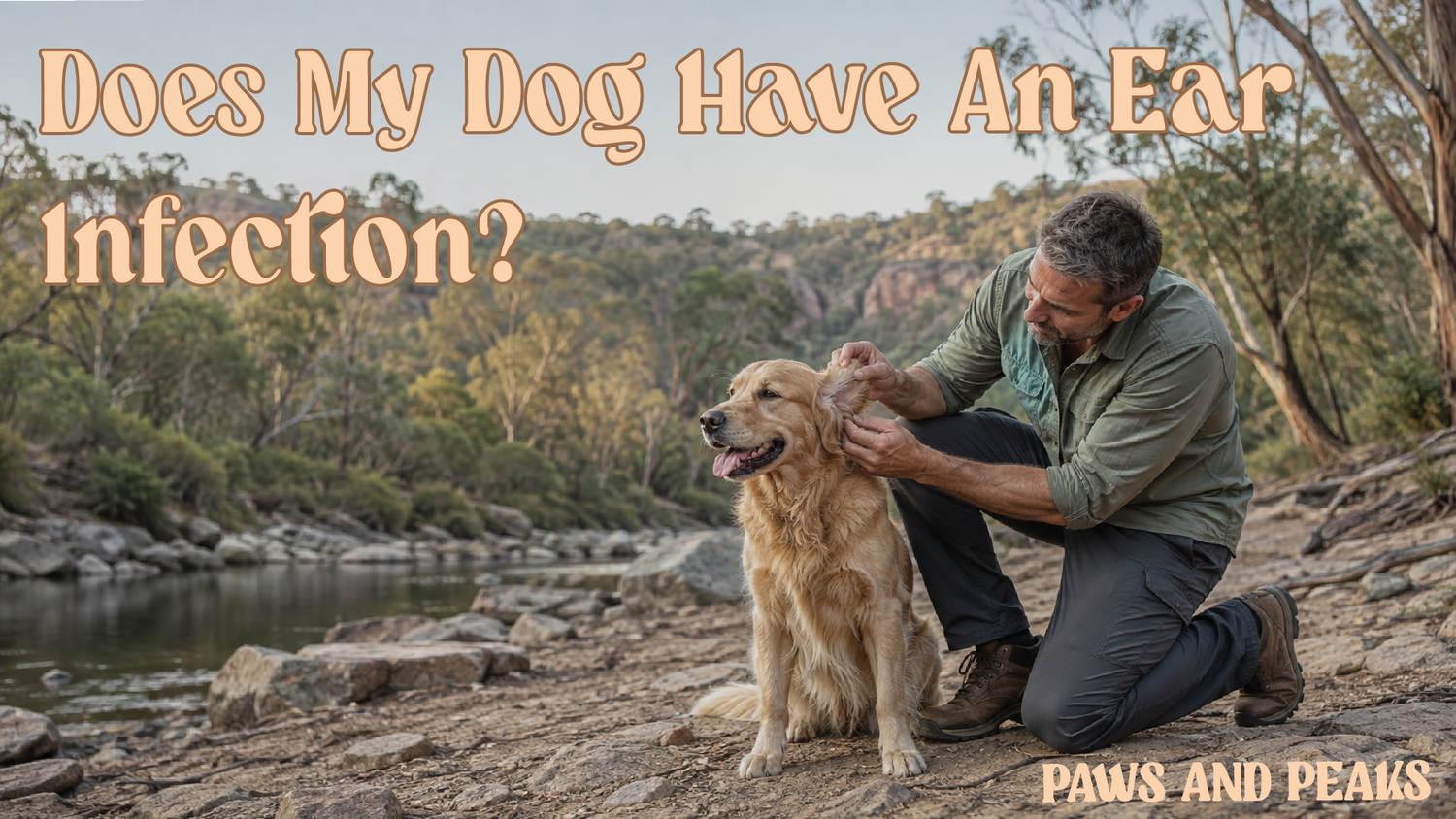
Ear infections are one of the most common reasons dogs visit the vet.
They can begin with subtle signs such as occasional scratching or head shaking, but they may quickly become painful if the underlying problem is not identified and treated.
Dogs that swim, have floppy ears or experience skin allergies may be more susceptible, although an ear infection can affect any dog.
Knowing what to look for can help you recognise an ear problem before it becomes more uncomfortable.
Here’s what every dog owner should know.
What Is A Dog Ear Infection?
A dog’s ear canal is shaped differently from a human ear canal.
It travels downwards before turning inwards, creating an environment where moisture, wax and debris can become trapped.
An infection may develop when yeast or bacteria multiply inside the ear canal. However, there is often an underlying reason that allows this to happen.
Finding and addressing that cause is an important part of preventing the problem from returning.
Common Signs Of A Dog Ear Infection
Dogs cannot tell us when their ears are sore, but their behaviour can provide important clues.
Signs of an ear problem may include:
• Shaking their head
• Scratching one or both ears
• Rubbing their head against furniture or the ground
• Redness around the ear opening
• An unusual or unpleasant smell
• Dark, yellow or excessive discharge
• Wax that quickly returns after cleaning
• Sensitivity when the ear or head is touched
• Holding one ear differently
• Tilting the head
• Becoming less tolerant of handling
Some dogs may become quieter or more irritable because of the discomfort.
If your dog suddenly avoids having their head touched, do not force an examination. A painful dog may react unexpectedly, even if they are normally calm and gentle.
What Causes Ear Infections In Dogs?
An ear infection can develop for several reasons. Sometimes more than one factor is involved.
1. Allergies
Skin allergies are a common underlying cause of recurring ear problems.
Dogs may react to environmental allergens such as grass, pollen, mould or dust mites. Some dogs may also be affected by food related allergies.
If allergies are contributing to the problem, you may also notice:
• Paw licking
• Itchy or inflamed skin
• Face rubbing
• Hair loss
• Repeated skin infections
• Ear infections that continue to return
Treating only the infection without managing the underlying allergy may result in recurring problems.
2. Moisture In The Ear
Swimming and bathing do not automatically cause an ear infection.
However, persistent moisture inside the ear canal can cause irritation and create conditions where yeast or bacteria are more likely to multiply.
Dogs with floppy ears may retain more moisture because there is less airflow around the ear canal.
If your dog is known to experience ear problems after swimming, ask your veterinarian whether swimming is appropriate and how their ears should be cared for afterwards.
3. The Shape Of Your Dog’s Ears
Some dogs are naturally more susceptible to ear problems because of their ear structure.
This may include dogs with:
• Floppy ears
• Narrow ear canals
• Hairy ear canals
• Naturally waxy ears
• Thick or heavy ear flaps
Breeds such as retrievers, spaniels and poodles may require closer monitoring, although ear problems can occur in dogs of every breed.
4. A Foreign Object
Grass seeds and other plant material can enter a dog’s ear during a walk through long grass or bushland.
A foreign object often causes sudden and intense discomfort.
You may notice your dog:
• Shaking their head repeatedly
• Scratching one ear
• Holding their head to one side
• Crying or pulling away when the ear is approached
• Becoming distressed shortly after a walk
Do not place tweezers or other tools inside the ear canal. Attempting to retrieve something you cannot clearly and safely reach may push it deeper or damage the ear.
Arrange a veterinary examination as soon as possible.
5. Ear Mites Or Other Parasites
Ear mites can cause irritation and dark discharge, although they are more commonly seen in puppies and animals that have been in close contact with an affected animal.
It is not possible to confirm the cause of discharge by appearance alone. A veterinarian may need to examine a sample under a microscope.
6. Excessive Or Incorrect Cleaning
Healthy ears are generally self cleaning and may require very little intervention.
Cleaning too frequently or using an unsuitable product can irritate the delicate lining of the ear canal.
The Australian Veterinary Association recommends cleaning only when the ears appear dirty or when a veterinarian has advised regular cleaning for that particular dog.
Can You Treat A Dog Ear Infection At Home?
A suspected ear infection should be assessed by a veterinarian.
Different ear problems can produce very similar symptoms, but the appropriate treatment depends on the cause and the condition of the ear canal and eardrum.
Before recommending treatment, a veterinarian may:
• Examine the ear with an otoscope
• Look for a foreign object
• Check the condition of the eardrum
• Examine a sample of discharge
• Identify yeast, bacteria or parasites
• Consider allergies or another underlying condition
Using an unsuitable product can irritate the ear, interfere with testing or cause complications if the eardrum has been damaged.
What Should You Avoid Putting In Your Dog’s Ears?
Unless your veterinarian has specifically instructed you to use them, avoid:
• Human ear drops
• Hydrogen peroxide
• Rubbing alcohol
• Vinegar mixtures
• Essential oils
• Medicated creams
• Cotton buds inserted into the ear canal
• Leftover medication from a previous infection
Cotton buds may push wax and debris farther into the ear. Medication prescribed for a previous infection may not be safe or effective for a new problem.
When Should Your Dog See A Vet?
Arrange a veterinary appointment if you notice:
• Persistent head shaking or scratching
• Redness inside the ear
• An unusual smell
• Discharge or excessive wax
• Pain when the ear is touched
• Repeated ear problems
• Sudden symptoms after walking through long grass
• Paw licking or other signs of allergies
• Swelling of the ear flap
Ear infections are often easier to manage when they are examined early.
Leaving an infection untreated can result in increasing pain, narrowing of the ear canal and longer term damage.
When Is An Ear Problem More Urgent?
Seek prompt veterinary care if your dog develops:
• A pronounced head tilt
• Loss of balance
• Difficulty walking
• Repeated vomiting with ear symptoms
• Rapid or unusual eye movements
• Facial weakness
• Severe pain or distress
• Sudden swelling of the ear flap
• Bleeding from the ear
• Suspected trauma to the head or ear
These signs may indicate a problem affecting deeper parts of the ear or another condition requiring urgent assessment.
What Is An Aural Haematoma?
An aural haematoma is a swollen area within the ear flap caused by bleeding beneath the skin.
It can develop when repeated head shaking or scratching damages small blood vessels inside the ear flap.
The ear may appear:
• Thickened
• Puffy
• Warm
• Soft or fluid filled
• Painful to touch
An aural haematoma requires veterinary attention. The underlying reason for the scratching or head shaking must also be investigated.
How To Help Protect Your Dog’s Ears
While not every ear infection can be prevented, a few simple habits may help.
Check Their Ears Regularly
Become familiar with how your dog’s healthy ears normally look and smell.
A regular visual check can help you notice changes such as redness, discharge or an unusual odour.
Only examine the visible part of the ear. Never insert an object into the ear canal.
Dry Their Ears After Swimming
After swimming or bathing, gently dry the outside of your dog’s ears and the visible area around the ear opening.
Do not push towels, cotton wool or other objects down the canal.
If your dog frequently develops ear problems after swimming, speak with your veterinarian about whether additional precautions are needed.
Be Careful Around Long Grass
Grass seeds can become lodged in a dog’s ears, paws and coat.
After exploring long grass or bushland, check:
• Around the ear openings
• Beneath the ear flaps
• Between the toes
• Under the collar
• Through the coat
If your dog suddenly begins shaking their head after a walk, arrange a veterinary examination rather than waiting for the problem to settle.
Use Only Veterinarian Recommended Products
Not every dog needs routine ear cleaning.
If your veterinarian recommends it, ask them to demonstrate the correct technique and advise how frequently your dog’s ears should be cleaned.
Early Attention Can Prevent Further Discomfort
Ear infections can be painful, but the first signs are sometimes easy to overlook.
By recognising changes in your dog’s behaviour, checking their ears regularly and seeking veterinary care when something appears wrong, you can help prevent a minor irritation from becoming a more serious problem.
At Paws & Peaks, we believe every adventure is safer when preparation comes first. Because the best memories are made outdoors, and every dog deserves to come home safely.
