
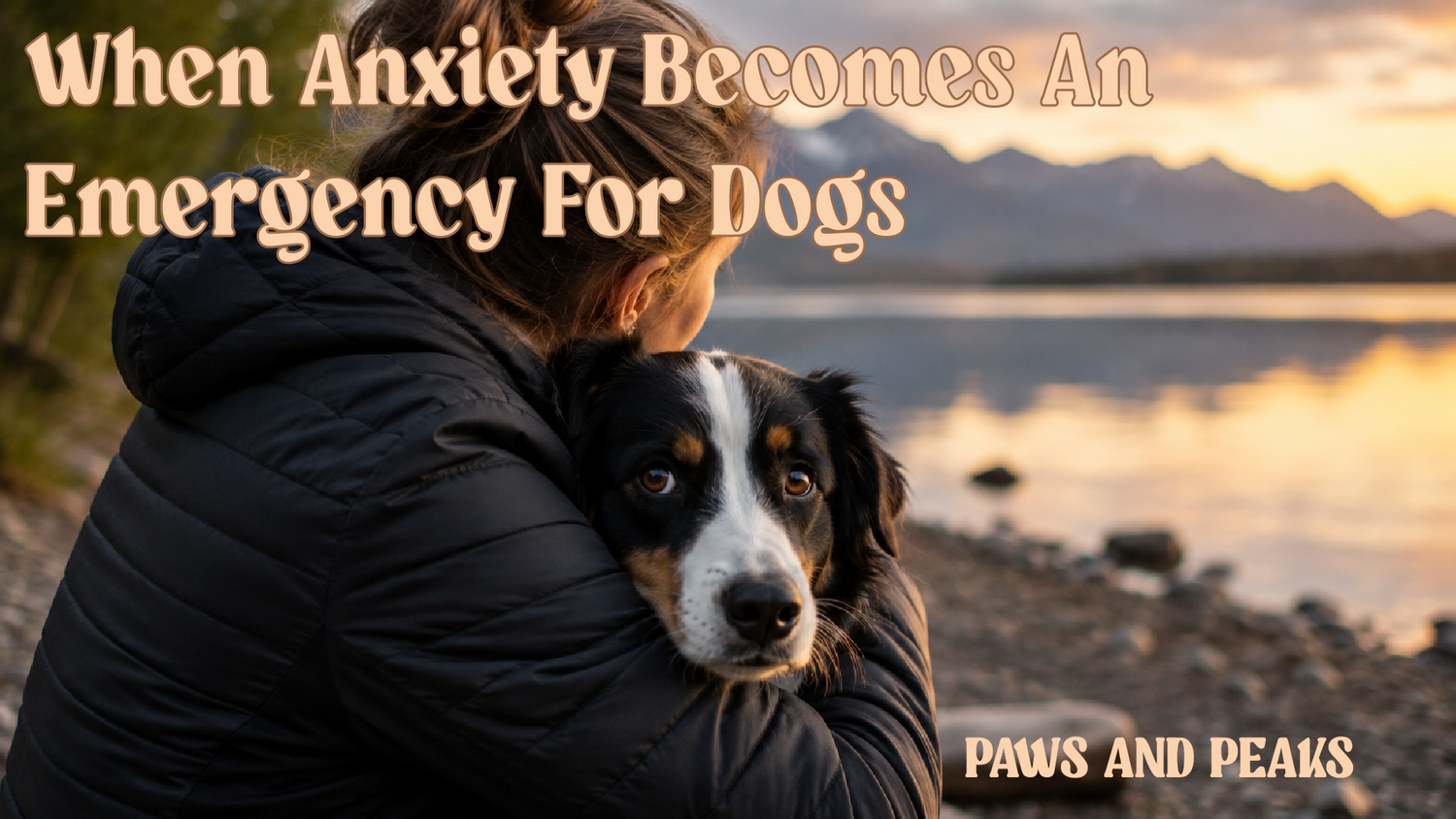
Most dog owners have seen their dog become nervous at some point.
Maybe it's during a thunderstorm. Fireworks on New Year's Eve. A visit to the vet. Or even being left home alone for longer than usual.
In many cases, anxiety is temporary and manageable.
But sometimes anxiety can escalate into something much more serious.
Panic can cause dogs to run away, injure themselves, overheat, become trapped, or put themselves in dangerous situations. What begins as stress can quickly turn into an emergency if the warning signs aren't recognised early.
Understanding how anxiety affects your dog is an important part of keeping them safe.
Understanding Anxiety In Dogs
Anxiety is your dog's natural response to situations they perceive as threatening, unfamiliar, or overwhelming.
Common triggers include:
-
Thunderstorms
-
Fireworks
-
Separation from owners
-
Travel
-
New environments
-
Loud noises
-
Crowded places
-
Veterinary visits
While some dogs recover quickly, others may experience significant stress that affects both their physical and emotional wellbeing.
Early Signs Your Dog Is Feeling Overwhelmed
Dogs often show subtle signs of stress long before they reach a panic state.
Watch for:
-
Excessive panting
-
Pacing
-
Trembling
-
Yawning when not tired
-
Lip licking
-
Whining
-
Restlessness
-
Hiding
-
Clingy behaviour
These behaviours are your dog's way of communicating that they are uncomfortable.
Recognising these signs early gives you an opportunity to intervene before anxiety escalates.
How Anxiety Can Become Dangerous
When anxiety intensifies, dogs may lose their ability to think clearly and respond predictably.
This can lead to situations such as:
-
Escaping from yards
-
Pulling free from leads
-
Running into traffic
-
Becoming lost during walks
-
Injuring themselves trying to escape
-
Overheating during panic episodes
Many emergency situations involving anxious dogs occur not because the original trigger was dangerous, but because the dog's reaction placed them at risk.
Storms And Fireworks: A Common Cause Of Emergencies
Every year, veterinary clinics and animal shelters see an increase in lost pets during storm seasons and fireworks events.
Dogs experiencing extreme fear may:
-
Jump fences
-
Break through screens
-
Dig under gates
-
Damage doors and windows
-
Become disoriented while running
Preparing before these events can significantly reduce the risk.
Consider:
-
Bringing dogs indoors early
-
Creating a safe and quiet space
-
Ensuring identification details are current
-
Using secure collars and leads during walks
Travel And Adventure Anxiety
Many dogs love exploring new places, but unfamiliar environments can be overwhelming for some.
Signs of travel related stress may include:
-
Refusing food
-
Excessive drooling
-
Panting
-
Restlessness
-
Shaking
-
Vocalising
When travelling with your dog, allow time for regular breaks and avoid pushing them beyond their comfort level.
A calm dog is often a safer dog.
Separation Anxiety And Emergency Risks
Dogs experiencing separation anxiety may engage in destructive behaviours while trying to reunite with their owners.
This can result in:
-
Broken teeth
-
Cuts and abrasions
-
Ingestion of dangerous objects
-
Entrapment
-
Heat related illness
If your dog struggles when left alone, it's important to address the issue before an accident occurs.
What To Do If Your Dog Is Panicking
If your dog becomes highly distressed:
-
Stay calm and speak softly.
-
Remove them from the trigger if possible.
-
Move them to a safe and secure environment.
-
Avoid punishment or scolding.
-
Contact your veterinarian if symptoms are severe or ongoing.
Trying to force a frightened dog into a situation they fear often makes the problem worse.
Building A Calm Emergency Plan
Preparation can make a significant difference when unexpected situations arise.
Consider keeping:
-
Emergency contact numbers readily available
-
Identification tags updated
-
A recent photo of your dog
-
A travel kit for adventures
-
Basic first aid supplies
Having a plan in place allows you to focus on helping your dog rather than reacting under pressure.
Prevention Starts Before The Emergency
Anxiety isn't just a behavioural issue. In some situations, it can become a genuine safety concern.
By recognising the early signs of stress, preparing for common triggers, and creating safe environments, you can help reduce the likelihood of a minor worry becoming a major emergency.
At Paws & Peaks, we believe preparation isn't only about treating injuries. It's also about understanding the situations that can put our dogs at risk in the first place.
Because a calm, confident dog is often a safer dog.
