
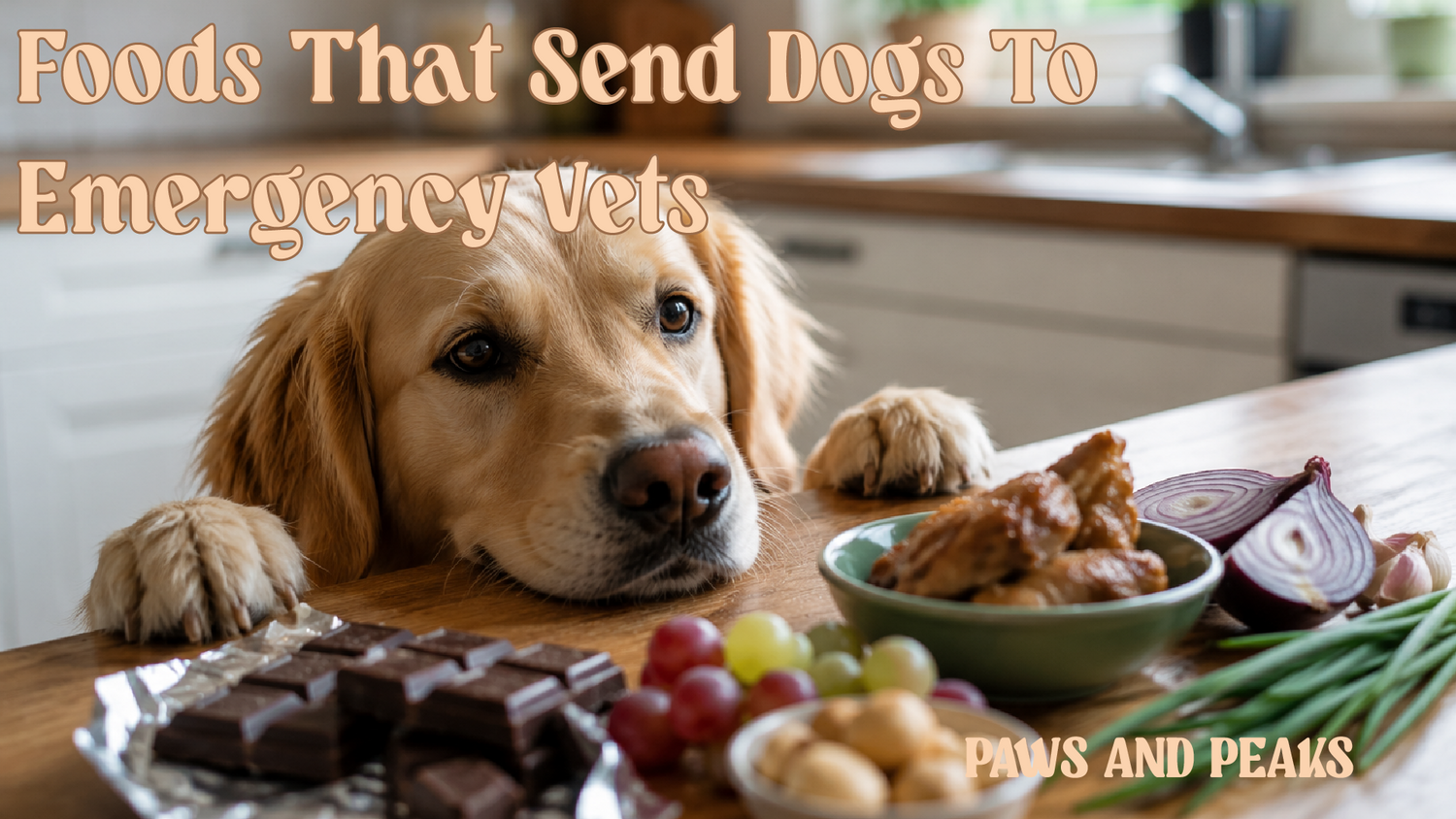
Most dog owners know the feeling.
You turn your back for a few seconds and suddenly your dog is chewing something they shouldn't be.
Maybe it's a piece of chocolate left on the bench. A handful of grapes dropped by the kids. Or leftovers that disappeared from the table when nobody was looking.
While some food mishaps result in nothing more than an upset stomach, others can quickly become serious emergencies requiring immediate veterinary care.
The good news is that many food related emergencies are completely preventable once you know what foods pose the greatest risk.
Here are some of the most common foods that send dogs to emergency vets and what you should do if your dog gets hold of them.
1. Chocolate
Chocolate is one of the most well-known dangers for dogs, yet it remains one of the most common reasons for emergency vet visits.
Chocolate contains substances called theobromine and caffeine, both of which dogs struggle to process.
The darker the chocolate, the more dangerous it can be.
Signs of chocolate toxicity may include:
-
Vomiting
-
Diarrhoea
-
Excessive panting
-
Restlessness
-
Increased heart rate
-
Tremors
-
Seizures
If your dog has eaten chocolate, contact your veterinarian immediately, even if they appear normal.
2. Grapes And Raisins
Many people are surprised to learn that grapes and raisins can be highly toxic to dogs.
Even small amounts may cause serious kidney damage in some dogs, although the exact reason remains unclear.
Signs may include:
-
Vomiting
-
Loss of appetite
-
Lethargy
-
Increased thirst
-
Reduced urination
Because reactions can vary significantly between dogs, veterinary advice should be sought immediately.
3. Xylitol
Xylitol is an artificial sweetener commonly found in:
-
Sugar free chewing gum
-
Sugar free lollies
-
Peanut butter
-
Baked goods
-
Toothpaste
For dogs, xylitol can cause a rapid drop in blood sugar levels and may lead to liver failure.
Symptoms can develop quickly and may include:
-
Weakness
-
Vomiting
-
Loss of coordination
-
Collapse
-
Seizures
This is considered a medical emergency and requires immediate veterinary attention.
4. Cooked Bones
Many dog owners assume bones are a natural treat.
The problem is that cooked bones can splinter easily and cause:
-
Choking
-
Mouth injuries
-
Intestinal blockages
-
Internal damage
Emergency surgery is sometimes required when bone fragments become lodged in the digestive tract.
If your dog has swallowed a cooked bone, monitor them closely and contact your veterinarian if you notice any signs of distress.
5. Macadamia Nuts
Macadamia nuts are particularly toxic to dogs and can cause symptoms within hours of ingestion.
Common signs include:
-
Weakness
-
Trembling
-
Vomiting
-
Fever
-
Difficulty walking
While most dogs recover with prompt treatment, veterinary advice should always be sought.
6. Onions, Garlic And Chives
These ingredients are found in many everyday foods and can be harmful whether fresh, cooked, powdered, or dried.
They can damage a dog's red blood cells and potentially lead to anaemia.
Foods to be cautious of include:
-
Pasta sauces
-
Soups
-
Seasonings
-
Leftovers
-
Prepared meals
Symptoms may not appear immediately, which is why it's important to contact your veterinarian if ingestion occurs.
7. Fatty Leftovers
Sharing leftovers may seem harmless, but fatty foods can sometimes trigger pancreatitis, a painful and potentially serious condition.
Common culprits include:
-
Fatty meats
-
Sausages
-
Bacon
-
Roast trimmings
-
Fried foods
Signs may include:
-
Vomiting
-
Abdominal pain
-
Diarrhoea
-
Lethargy
If symptoms develop after eating rich foods, veterinary assessment is recommended.
What To Do If Your Dog Eats Something Toxic
If you suspect your dog has eaten something dangerous:
-
Stay calm.
-
Remove access to the food.
-
Try to determine what was eaten and approximately how much.
-
Contact your veterinarian immediately.
-
Follow professional advice before attempting any home treatment.
It's important not to induce vomiting unless specifically instructed by a veterinary professional.
Why Preparation Matters
Food related emergencies often happen when we least expect them.
A dropped snack, an unattended lunchbox, or leftovers left within reach can quickly become a stressful situation.
Being familiar with common toxic foods, keeping emergency veterinary numbers readily available, and carrying basic first aid supplies when travelling with your dog can help you respond faster when every minute counts.
At Paws & Peaks, we believe preparation is one of the simplest ways to protect the dogs we love.
Because sometimes knowing what's dangerous is the first step toward preventing an emergency altogether.
