
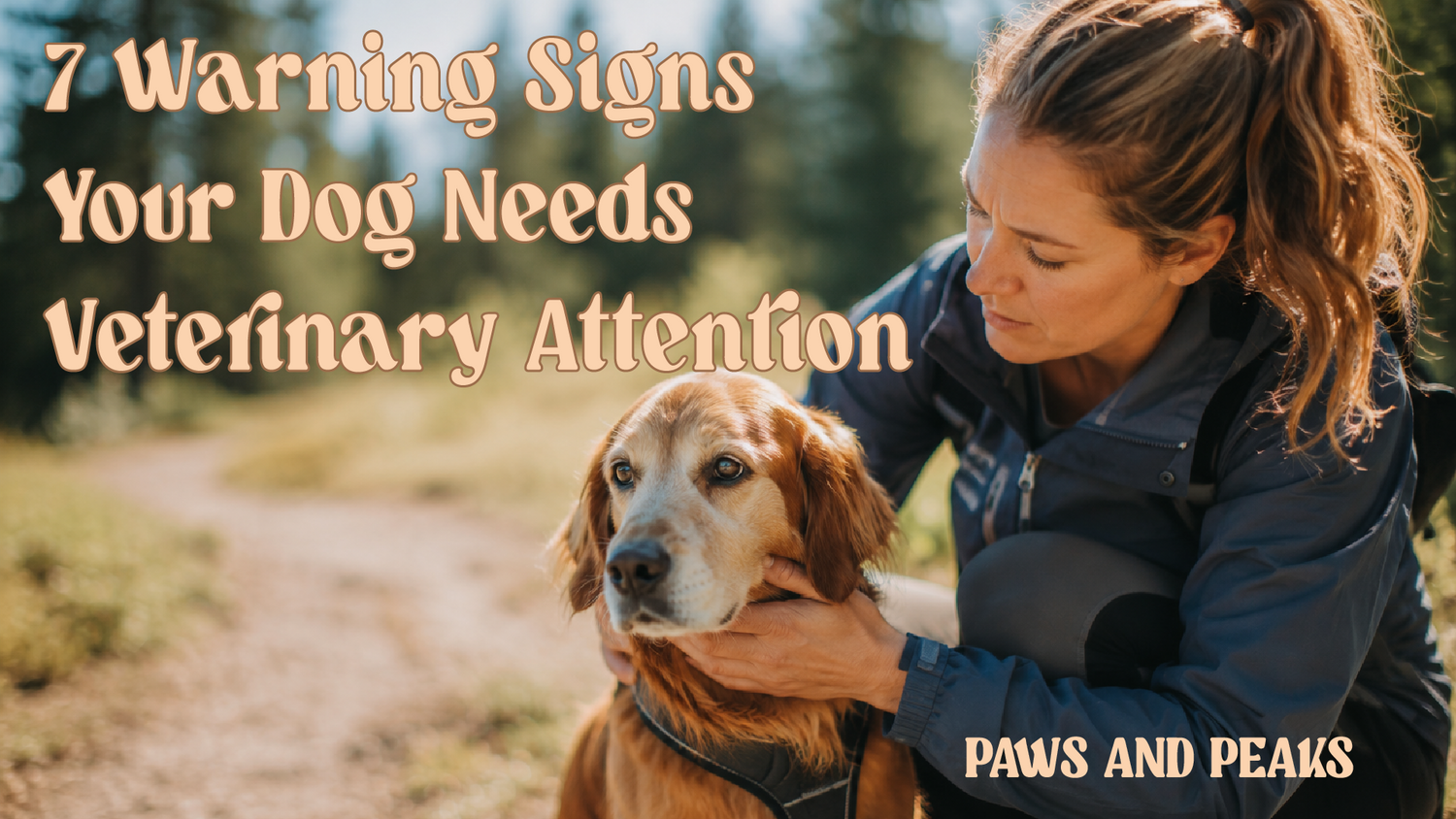
Most dog owners know their dog better than anyone.
You notice when they're excited. You know their routines. You know how they greet you at the door, how quickly they eat dinner, and which toy they'll always choose first.
That's why some of the earliest signs that something isn't right can be surprisingly easy to spot.
The challenge is that many serious health issues don't start as emergencies. They often begin with small changes that are easy to dismiss as a bad day, getting older, or simply being tired.
While not every change means something is wrong, knowing what to look for can help you seek advice sooner and potentially prevent a minor issue from becoming a major one.
Here are seven warning signs every dog owner should know.
1. Changes In Appetite
Most dogs don't turn down food without a reason.
If your dog suddenly loses interest in meals, eats significantly less than usual, or stops eating altogether, it may be a sign that something needs attention.
A reduced appetite can be linked to:
-
Dental pain
-
Pet Digestive issues
-
Infection
-
Injury
-
Underlying illness
Likewise, a sudden increase in appetite can sometimes indicate health concerns that warrant a veterinary check-up.
If changes in eating habits persist for more than a day or two, it's worth speaking with your vet.
2. Drinking Much More Or Much Less Water
Water intake is something many owners don't monitor closely until it changes.
Excessive drinking can sometimes be associated with:
-
Diabetes
-
Kidney disease
-
Hormonal conditions
-
Infection
On the other hand, drinking significantly less water can increase the risk of dehydration, especially during warmer weather or after exercise.
If you're refilling the water bowl far more often than usual or noticing your dog rarely drinking, take note and monitor the change.
3. Limping Or Reluctance To Move
Dogs are remarkably good at hiding discomfort.
A slight limp, hesitation when jumping into the car, difficulty climbing stairs, or moving more slowly than usual can all indicate pain or injury.
Common causes include:
-
Sprains and strains
-
Paw injuries
-
Joint pain
-
Arthritis
-
Muscle soreness
While some minor injuries improve with rest, persistent limping should always be assessed by a veterinarian.
4. Unusual Tiredness Or Low Energy
Every dog has quieter days.
But if your normally active dog suddenly seems uninterested in walks, playtime, or family activities, it's worth paying attention.
Lethargy can be associated with a wide range of health concerns, including:
-
Infection
-
Pain
-
Heat related illness
-
Digestive problems
-
Underlying disease
Trust your instincts. If your dog's energy levels seem noticeably different, don't ignore it.
5. Changes In Breathing
Breathing changes can sometimes signal a more urgent issue.
Watch for signs such as:
-
Heavy panting when your dog hasn't exercised
-
Rapid breathing while resting
-
Persistent coughing
-
Wheezing
-
Laboured breathing
Breathing difficulties should never be ignored and may require prompt veterinary attention.
If you're ever unsure, it's always safest to contact your vet for guidance.
6. Vomiting Or Diarrhoea That Doesn't Improve
Most dogs experience an upset stomach at some point.
Occasional vomiting or a single episode of diarrhoea may not always indicate a serious problem.
However, ongoing symptoms can quickly lead to dehydration and may be linked to:
-
Dietary indiscretion
-
Gastrointestinal illness
-
Parasites
-
Toxicity
-
Foreign object ingestion
Seek veterinary advice if symptoms persist, worsen, or are accompanied by lethargy or loss of appetite.
7. Changes In Behaviour
Behaviour changes are often one of the earliest indicators that something isn't right.
A dog experiencing pain or discomfort may become:
-
Withdrawn
-
Irritable
-
Restless
-
More clingy than usual
-
Less interested in normal activities
Because dogs can't tell us how they're feeling, behaviour can provide valuable clues about their overall wellbeing.
If your dog's personality seems noticeably different, it's worth investigating further.
When To Contact A Vet Immediately
Some situations should never be delayed.
Contact your veterinarian immediately if your dog is experiencing:
-
Difficulty breathing
-
Collapse or loss of consciousness
-
Seizures
-
Suspected poisoning
-
Severe bleeding
-
Significant trauma or injury
-
Signs of heatstroke
-
A known snake bite
In these situations, fast action can make a significant difference.
Prevention Starts With Preparation
No one wants to imagine their dog facing an emergency.
The good news is that many serious situations are easier to manage when you're prepared before they happen.
Keeping important veterinary contact details accessible, knowing the signs of common health problems, and having a well-stocked dog first aid kit can help you respond with confidence when every minute matters.
At Paws & Peaks, we believe that preparation isn't about expecting the worst. It's about being ready to protect the dogs we love when they need us most.
Because sometimes the smallest signs are the ones worth paying attention to.
