
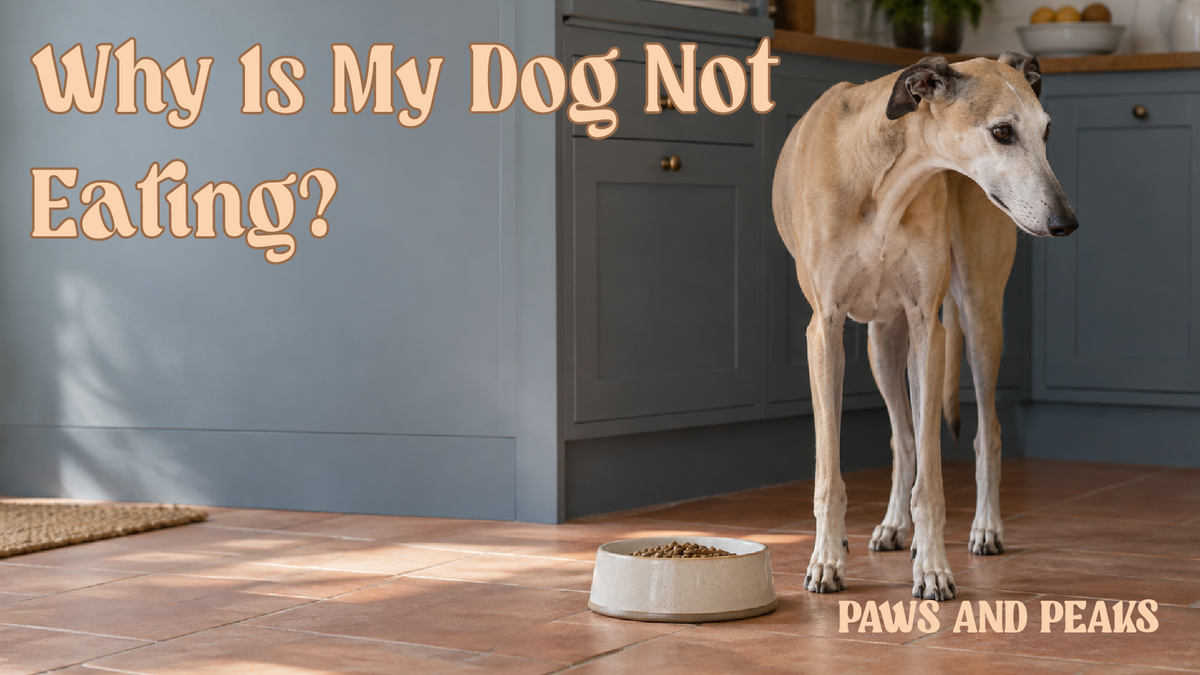
Most dogs have a way of appearing the moment food is involved. That is why it can feel immediately concerning when your dog sniffs their bowl and walks away.
Sometimes the explanation is simple. They may be stressed, distracted, too warm or simply less hungry than usual. But a sudden loss of appetite can also be an early sign of pain, nausea, dental disease, poisoning or a more serious internal problem.
The safest response depends on more than how much food is left in the bowl. Your dog’s age, health, behaviour and any additional symptoms all matter.
Why Is My Dog Not Eating?
Common reasons a dog may stop eating include:
- stress or a change in routine
- a recent change in food
- too many treats or table scraps
- warm weather or reduced activity
- dental or mouth pain
- nausea or digestive upset
- pain elsewhere in the body
- medication side effects
- infection or fever
- pancreatitis
- a gastrointestinal obstruction
- kidney, liver or other systemic disease
- poisoning
A healthy adult dog that skips one meal but remains bright, comfortable and interested in water may not be experiencing an emergency. However, appetite loss should never be assessed in isolation.
First, Look at the Whole Dog
Before focusing on the food bowl, observe how your dog is behaving.
Ask yourself:
- Are they alert and interacting normally?
- Are they drinking?
- Have they vomited or had diarrhoea?
- Are they urinating and passing stool normally?
- Do they seem painful, restless or unusually quiet?
- Is their abdomen swollen or tense?
- Could they have eaten rubbish, a toy, bone, chemical or toxic food?
- Are they refusing everything, including favourite treats?
A dog that is not eating but otherwise appears normal is different from a dog that is not eating and has become weak, painful or withdrawn.
Could Stress or Routine Be Affecting Their Appetite?
Dogs can temporarily lose interest in food after travel, boarding, moving house, the arrival of another animal, a loud event or a significant change to their routine.
Some dogs also eat less when their usual person is away or when they are placed in an unfamiliar environment.
If stress seems likely, provide a quiet feeding area and offer their usual food at the normal time. Avoid hovering over them or repeatedly presenting different options, as this can add pressure and make it harder to understand whether the appetite loss is continuing.
If your dog remains unsettled, refuses multiple meals or develops other symptoms, contact your veterinarian.
Has Their Food Changed?
A sudden change in flavour, texture or formula can cause some dogs to hesitate. Food may also become unappealing if it is stale, spoiled or has been stored incorrectly.
Check:
- the expiry date
- whether the packaging is damaged
- whether the food smells or looks unusual
- whether a new bag appears different from the previous one
- whether your dog has recently received more treats or human food
Repeatedly replacing a refused meal with something more exciting can unintentionally teach a healthy dog to wait for alternatives. However, assumed fussiness should not be used to explain away a sudden or persistent appetite change.
Dental and Mouth Pain
A dog may feel hungry but struggle to eat because chewing or swallowing hurts.
Possible signs of dental or oral pain include:
- approaching food and then backing away
- dropping pieces of food
- chewing on one side
- preferring soft food
- excessive drooling
- bad breath
- pawing at the mouth
- bleeding from the mouth
- swelling around the face or jaw
Broken teeth, advanced dental disease, mouth ulcers and objects lodged in the mouth can all affect eating.
Do not force your dog’s mouth open if they are painful or distressed. Arrange a veterinary examination so the mouth can be assessed safely.
Nausea and Digestive Problems
A nauseous dog may refuse food before they begin vomiting.
Subtle signs can include lip licking, repeated swallowing, drooling, turning away from food, eating grass, restlessness or assuming a hunched posture.
Digestive causes may range from a mild stomach upset to pancreatitis or an obstruction caused by something the dog has swallowed.
Pancreatitis can cause appetite loss, vomiting, weakness, dehydration and abdominal pain. Dogs with gastrointestinal obstruction may develop vomiting, pain, lethargy and difficulty passing normal stool.
These conditions cannot be diagnosed safely from appetite loss alone. If your dog appears nauseous, painful or unwell, seek veterinary advice.
Could Your Dog Have Swallowed Something?
Dogs can swallow socks, toys, corn cobs, fruit stones, bones and many other objects that do not pass safely through the digestive tract.
Warning signs of an obstruction may include:
- repeated vomiting or retching
- refusing food and sometimes water
- abdominal pain
- lethargy
- straining or producing very little stool
- restlessness or difficulty becoming comfortable
A suspected foreign body is not something to monitor for several days. Prompt veterinary assessment can make a significant difference before damage to the stomach or intestines becomes more severe.
When a Swollen Abdomen Is an Emergency
A dog that refuses food while repeatedly trying to vomit without producing anything, drooling, pacing or developing a swollen abdomen may have gastric dilatation-volvulus, commonly called GDV or bloat.
This is a life-threatening emergency in which the stomach becomes distended and may twist. It is seen more often in large, deep-chested dogs, but concerning symptoms require urgent attention regardless of breed.
Do not wait to see whether the swelling settles. Go directly to an emergency veterinary hospital.
Pain and Illness Outside the Digestive System
Dogs may also stop eating because they are in pain or unwell elsewhere in the body.
Possible causes include:
- fever or infection
- kidney or liver disease
- respiratory illness
- back, neck or joint pain
- hormonal or metabolic disease
- cancer
- side effects from medication
Senior dogs sometimes develop gradual appetite changes, but reduced eating should not automatically be dismissed as ageing. Weight loss, increased thirst, vomiting, weakness or changes in urination warrant a veterinary check.
How Long Can a Dog Go Without Eating?
There is no single waiting period that is safe for every dog.
If a healthy adult dog skips one meal but remains bright, comfortable, hydrated and free from other symptoms, you can usually observe them closely and offer their normal food again at the next scheduled mealtime.
Contact your veterinarian if they continue refusing food or have eaten nothing for approximately 24 hours, even if they do not appear seriously unwell.
Do not wait that long if the dog is:
- a young puppy
- very small
- elderly or frail
- pregnant or nursing
- diabetic
- living with another medical condition
- taking medication that normally accompanies food
These dogs can deteriorate more quickly or may need an individual plan from their veterinarian.
When Is Not Eating an Emergency?
Seek urgent veterinary care if your dog is not eating and:
- repeatedly vomits or cannot keep water down
- repeatedly retches without producing vomit
- has a swollen, hard or painful abdomen
- is weak, wobbly, collapsed or difficult to wake
- has pale, blue, grey or very bright-red gums
- has trouble breathing
- passes blood in vomit or stool
- appears severely painful
- may have swallowed a foreign object
- may have eaten a poison or unsafe medication
- is a diabetic dog behaving abnormally
- is a young puppy becoming quiet or weak
If poisoning is possible, contact your veterinarian, an emergency veterinary hospital or the Australian Animal Poisons Helpline on 1300 869 738.
What Can You Safely Do at Home?
If your dog has skipped one meal but is otherwise behaving normally:
- make sure fresh water is available
- check that the food is fresh and has been stored correctly
- offer their usual food at the normal time
- feed in a quiet, comfortable place
- monitor drinking, urination, stool and behaviour
- note any vomiting, diarrhoea, coughing, pain or unusual movement
Avoid force-feeding. Do not give human medication, appetite stimulants or home remedies unless instructed by a veterinarian.
Changing foods repeatedly can worsen digestive upset and make the pattern harder to interpret. If your veterinarian wants you to offer a different diet, follow their specific instructions.
Information to Give Your Veterinarian
Useful details include:
- when your dog last ate a normal meal
- whether they refuse all food or only their usual diet
- how much water they are drinking
- any vomiting or diarrhoea
- when they last passed urine and stool
- possible access to rubbish, toys, bones, chemicals or toxic foods
- recent travel, stress or dietary changes
- current medications
- any weight loss or previous episodes
If you have noticed unusual behaviour, vomiting or difficulty eating, a short video may also help.
Bringing It All Together
A missed meal does not always mean an emergency, but appetite is an important part of your dog’s normal pattern.
The safest decision comes from looking beyond the bowl. Consider your dog’s age, medical history, energy, hydration and every other sign you can see.
If they are bright and comfortable, careful monitoring may be reasonable for a short period. If they appear unwell, painful or vulnerable—or your instincts tell you something is wrong—contacting a veterinarian early is the safer choice.
At Paws & Peaks, we believe noticing the small changes is part of protecting the dogs who depend on us—because their adventure starts with you.
This article provides general educational information and does not replace veterinary advice. Seek prompt veterinary care if your dog has additional symptoms, may have swallowed a foreign object or poison, or belongs to a higher-risk age or medical group.
