
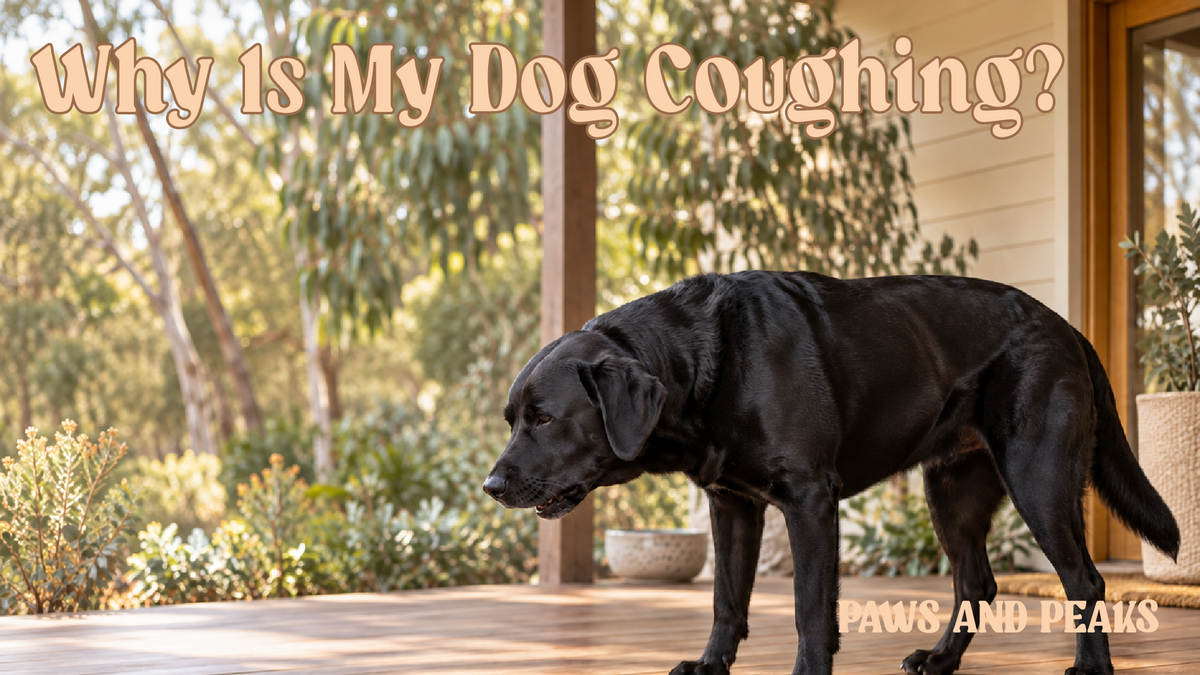
Hearing your dog cough, gag or make a strange choking sound can be unsettling—especially when you cannot immediately tell what is happening.
Sometimes the cause is minor, such as brief throat irritation or a reverse sneeze. In other cases, coughing or gagging may point to an infection, something caught in the throat, an airway problem, heart disease or even paralysis tick toxicity.
The sound alone rarely tells the whole story. What matters most is how your dog is breathing, how often it happens and whether anything else has changed.
Is My Dog Coughing, Gagging or Reverse Sneezing?
These sounds can seem very similar, but they come from different parts of the body.
Coughing
A cough is a forceful push of air from the lungs and airways. It may sound dry and sharp, deep and chesty, or like a loud “honk”. Some dogs finish a coughing episode with a gag or bring up a small amount of clear or white froth.
Gagging or Retching
Gagging usually looks like your dog is trying to clear the back of their throat. You may see the neck extend, the mouth open and the abdomen contract. Gagging can follow a strong cough, so it does not always mean something is physically stuck.
Repeated unproductive retching—especially with a swollen or tight-looking abdomen—is different and requires urgent veterinary attention.
Reverse Sneezing
A reverse sneeze usually involves rapid, noisy breaths inward through the nose. Your dog may stand still, extend their neck and keep their mouth mostly closed. Although it can look dramatic, a brief episode that stops by itself and leaves your dog completely normal is often harmless.
Frequent, prolonged or worsening episodes should still be discussed with your vet, as irritation, infection, foreign material or another airway condition may be involved.
If you are unsure which sound you are hearing, record a short video for your vet. A video taken safely from a distance can be much more useful than trying to recreate the sound during an appointment.
Common Reasons Dogs Cough and Gag
Throat or Airway Irritation
Dust, smoke, aerosols, strong fragrances, grass seeds and pulling against a collar can irritate a dog’s throat or airways. A brief cough may settle once the irritant is removed.
Move your dog into fresh air, keep them calm and monitor their breathing. Persistent coughing, repeated gagging or discomfort needs veterinary assessment.
Canine Cough and Other Respiratory Infections
Canine infectious respiratory disease complex - often called kennel cough - commonly causes a dry, persistent or honking cough. Dogs may sound as though they are trying to clear something from their throat and may gag after coughing.
Some dogs remain bright and continue eating normally. Others may develop nasal discharge, reduced appetite, fever or lethargy. Puppies, older dogs and dogs with existing health conditions can become more seriously unwell.
Because respiratory infections can spread between dogs, keep a coughing dog away from dog parks, daycare, grooming salons, boarding facilities and shared water bowls until your vet advises it is safe.
Something Caught in the Mouth or Throat
Sticks, bones, food, grass seeds and pieces of toys can become lodged in the mouth, throat or airway. You may notice sudden gagging, pawing at the mouth, excessive drooling, distress or difficulty breathing.
Do not reach blindly into your dog’s mouth or try to pull out something you cannot clearly see and safely grasp. You could push it deeper or be bitten by a frightened dog. If your dog cannot breathe normally, treat it as an emergency and travel to the nearest veterinary clinic immediately.
Tracheal Collapse
Tracheal collapse is more common in toy and small-breed dogs. It often causes a dry, harsh or “goose-honk” cough that may worsen with excitement, heat, exercise or pressure around the neck.
A veterinarian needs to diagnose this condition and rule out other causes. If neck pressure triggers coughing, discuss using a well-fitted harness with your vet.
Heart or Lung Disease
Ongoing coughing can sometimes be associated with heart disease, fluid in or around the lungs, chronic airway inflammation, pneumonia or other chest conditions.
Warning signs may include faster or harder breathing, reduced stamina, restlessness at night, weakness, fainting or collapse. A cough in an older dog, or one that consistently occurs at night, while resting or after mild exercise, deserves veterinary assessment rather than home treatment.
Parasites
Some parasites can affect a dog’s heart, lungs or airways and lead to coughing. The relevant risks vary by location, travel history and prevention routine, so your vet can advise which parasite protection and testing are appropriate for your dog.
Paralysis Ticks
For Australian dog owners, a change in breathing, coughing, gagging, retching or a changed bark can be an early warning sign of paralysis tick toxicity. Other signs can include weakness, vomiting, excessive drooling and wobbly back legs.
If you live in or have recently visited a tick-prone area, check your dog carefully particularly around the head, ears and neck and seek urgent veterinary care if you notice any suspicious signs. Finding and removing a tick does not mean the danger has passed, as symptoms can continue to worsen.
When Is Coughing or Gagging an Emergency?
Go to an emergency vet immediately if your dog:
- Is struggling to breathe or using their abdomen heavily to breathe
- Has blue, grey, very pale or purple gums or tongue
- Suddenly cannot make normal breathing sounds or appears to be choking
- Collapses, faints, becomes very weak or cannot stand normally
- Repeatedly retches without bringing anything up, particularly if the abdomen looks enlarged
- Coughs up blood or a large amount of pink, frothy fluid
- May have paralysis tick toxicity
- Develops severe signs after smoke, chemical or toxin exposure
Keep your dog as calm and still as possible while arranging urgent care. Call the clinic on the way if you can do so safely, so the team can prepare for your arrival.
When Should I Book a Vet Appointment?
Arrange an appointment promptly if the coughing or gagging:
- Keeps returning or lasts longer than a day
- Is becoming more frequent or severe
- Disturbs your dog’s sleep
- Happens during rest or after only mild activity
- Occurs with fever, nasal discharge, lethargy or reduced appetite
- Affects a puppy, senior dog or dog with an existing heart or respiratory condition
- Began after boarding, daycare, grooming or close contact with other dogs
Even if your dog seems comfortable between episodes, a recurring cough should not be ignored.
What Can I Check at Home?
If your dog is breathing comfortably and otherwise seems well, make a few notes for your vet:
- When did the coughing or gagging begin?
- How often does it happen?
- Does it occur after drinking, eating, exercise, excitement or pulling on the lead?
- Is the sound dry, wet, harsh, honking or snorting?
- Is there nasal discharge, vomiting, tiredness or a change in appetite?
- Has your dog recently been around other dogs?
- Have you travelled through a tick-prone area?
You can also observe your dog’s resting breathing while they are asleep and relaxed. If it appears faster or more effortful than usual, contact your vet. Do not delay care to count breaths if your dog is visibly struggling.
What Should I Avoid Doing?
Do not give human cough medicines, pain relief, antihistamines or leftover veterinary medication unless a veterinarian specifically instructs you to do so. Some products are unsafe for dogs, while suppressing a cough may make certain conditions harder to recognise or manage.
Avoid exercise, heat and excitement until you understand what is causing the cough. Keep your dog away from other dogs if an infectious illness is possible.
The Bottom Line
An occasional cough or brief reverse sneeze may be harmless, but repeated coughing and gagging deserve attention. Watch the whole dog—not just the sound. Their breathing, gum colour, energy, appetite and ability to settle will help you judge how urgently they need care.
When breathing is difficult, choking is possible or paralysis tick toxicity is suspected, seek emergency veterinary help immediately. If the sound persists or keeps returning, arrange an examination rather than trying to diagnose it at home.
At Paws & Peaks, we believe confident dog ownership starts with noticing small changes and knowing when to act—because their adventure starts with you.
This article provides general educational information and does not replace veterinary advice. Contact your veterinarian if you are concerned about your dog, and seek emergency care immediately if your dog is having difficulty breathing.
