
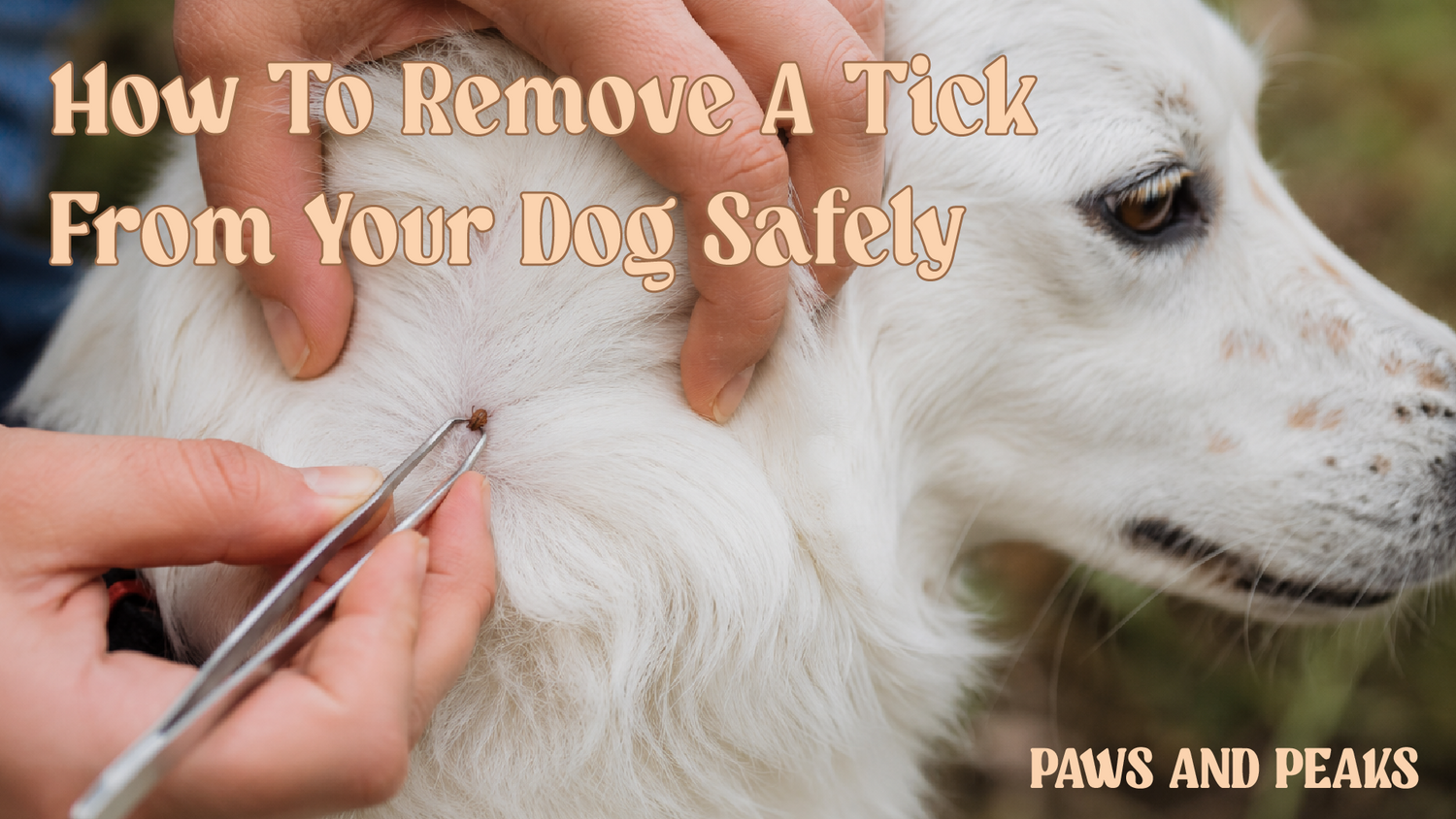
Finding a tick attached to your dog can be worrying, especially after a bushwalk, camping trip, or even a walk through long grass.
While not every tick causes serious illness, some Australian ticks, particularly the paralysis tick can become life-threatening if they aren't recognised and treated promptly.
Knowing how to safely remove a tick and what signs to watch for can make a big difference to your dog's health.
Here's what every dog owner should know.
Why Tick Removal Matters
Ticks attach themselves to your dog's skin to feed on blood.
During this process, they can inject saliva that may cause irritation, allergic reactions, or, in the case of paralysis ticks, toxins that affect the nervous system.
Removing a tick as soon as you find it may help reduce further exposure, but it's still important to monitor your dog closely afterwards.
After every bushwalk, beach visit, camping trip, or day exploring the outdoors, it's a good habit to perform a thorough tick check.
Step 1: Stay Calm
Dogs often respond to our emotions.
Remaining calm helps keep your dog relaxed while you inspect them and makes the removal process much easier.
If possible, ask someone to gently hold your dog while you remove the tick.
Step 2: Find The Tick
Ticks commonly attach to areas where the skin is thinner, including:
- Around the ears
- Under the collar
- Around the eyes and muzzle
- Between the toes
- Under the front legs
- Around the groin
- Around the tail
Run your hands slowly over your dog's body, feeling for any small lumps or bumps hidden beneath the coat.
Step 3: Remove The Tick Safely
Using fine-tipped tweezers or a purpose-made tick removal tool:
- Grip the tick as close to your dog's skin as possible.
- Pull upwards using slow, steady pressure.
- Avoid twisting, jerking, or crushing the tick.
- Check that the entire tick has been removed.
Avoid squeezing the body of the tick, as this may increase the amount of saliva/toxin released into your dog's skin.
Step 4: Clean The Area
Once the tick has been removed:
- Clean the bite site with an appropriate antiseptic if recommended by your veterinarian.
- Wash your hands thoroughly.
- Dispose of the tick safely.
It can also be helpful to note when and where your dog may have picked up the tick.
Step 5: Watch For Warning Signs
Continue monitoring your dog over the next 24–48 hours.
Seek veterinary attention immediately if you notice:
- Weakness
- Wobbliness
- Vomiting
- Difficulty breathing
- Excessive drooling
- Changes to their bark
- Difficulty swallowing
- Collapse
These may be signs of tick paralysis or another serious medical condition requiring urgent treatment.
Common Tick Removal Mistakes
Avoid using methods such as:
- Burning the tick
- Covering it with petroleum jelly
- Applying nail polish
- Twisting the tick forcefully
- Pulling it away too quickly
These methods aren't recommended and can make removal more difficult or increase irritation.
How To Help Prevent Tick Bites
While no prevention method is 100% effective, you can reduce your dog's risk by:
- Using a veterinarian-recommended tick preventative.
- Checking your dog after every outdoor adventure.
- Keeping grass and vegetation around your home well maintained.
- Staying on established walking tracks where possible.
- Inspecting bedding, blankets, and camping gear after returning home.
Regular tick checks remain one of the simplest and most effective habits for dog owners.
Be Prepared Before Every Adventure
Keeping a pair of quality tweezers or a dedicated tick removal tool in your dog's first aid kit means you'll always be prepared if you discover a tick while exploring.
Knowing how to safely remove a tick and recognising when your dog needs veterinary care can help you respond quickly and confidently when it matters most.
Preparation Starts With Knowledge
No one expects to find a tick on their dog, but knowing what to do can make all the difference.
By performing regular tick checks, using appropriate preventative treatments, and learning how to remove a tick safely, you'll be better prepared for every adventure together.
At Paws & Peaks, we believe every adventure is safer when preparation comes first. Because the best memories are made outdoors—and every dog deserves to come home safely.
