
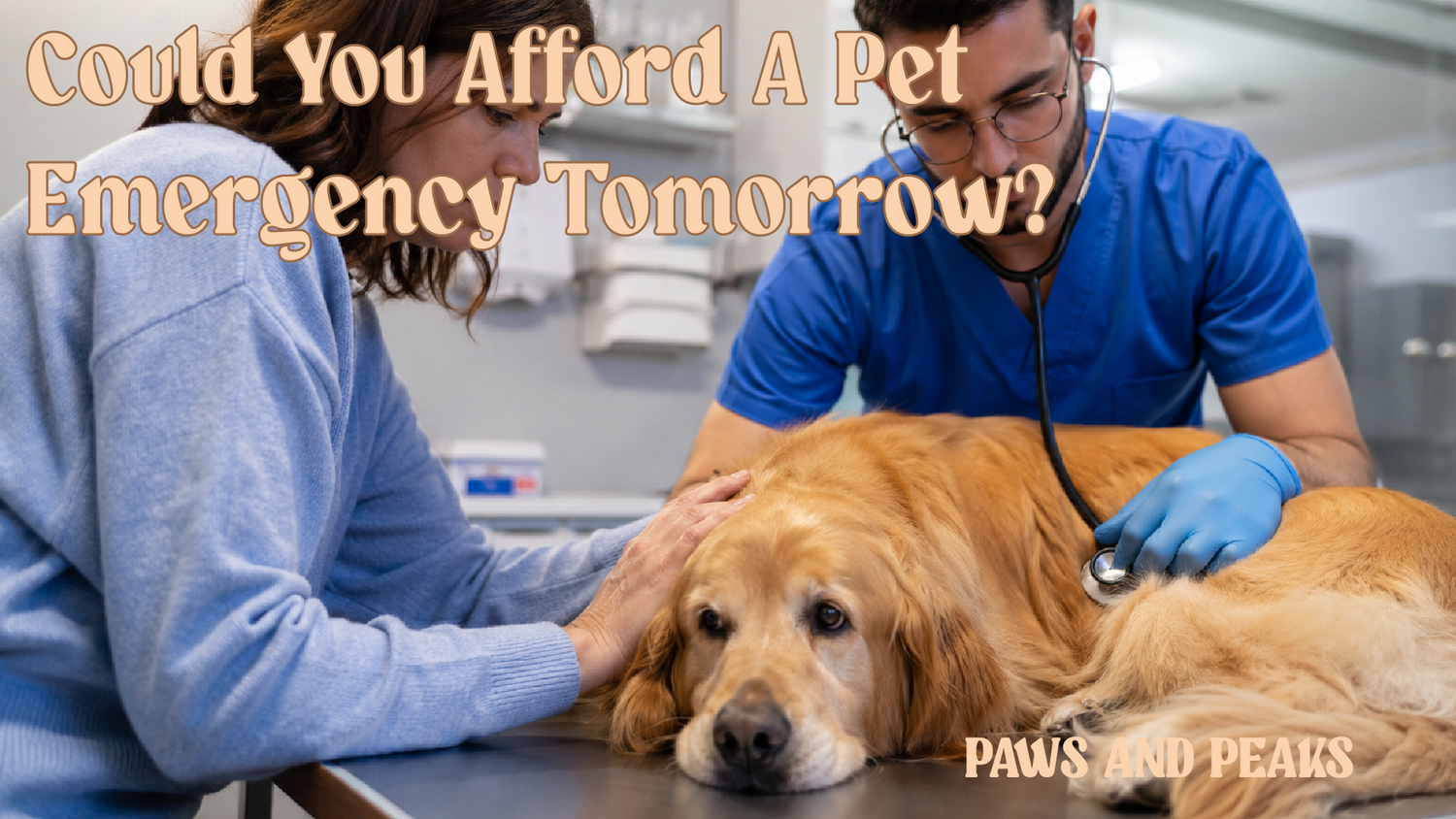
Nobody likes to think about emergencies.
But if your dog suddenly became seriously ill or injured tomorrow, would you be prepared?
It's a difficult question, yet one every dog owner should consider.
Whether it's a broken bone, a snake bite, emergency surgery, or an unexpected illness, veterinary emergencies can happen without warning. When they do, the last thing you want is to be making rushed decisions while worrying about both your dog's health and the cost of treatment.
Being financially prepared isn't about expecting the worst. It's about giving yourself the ability to focus on your dog when they need you most.
The Reality Of Unexpected Emergencies
Most dog owners don't plan for emergencies because they don't expect them to happen.
The reality is that accidents can occur during:
-
Everyday walks
-
Backyard playtime
-
Road trips
-
Camping adventures
-
Hiking trails
-
Time spent at home
Many emergencies happen during completely ordinary moments.
That's why preparation matters.
Common Emergencies That Can Be Expensive
The exact cost of treatment varies depending on your location, clinic, and the severity of the situation.
However, some emergencies often involve significant veterinary care.
Foreign Object Ingestion
Dogs are curious by nature.
Swallowing toys, bones, socks, sticks, or household items can lead to intestinal blockages that sometimes require emergency surgery.
Snake Bites
For Australian dog owners, snake bites remain one of the most serious outdoor emergencies.
Fast treatment can be lifesaving, but emergency veterinary care is often required.
Fractures And Orthopaedic Injuries
Falls, vehicle accidents, and high impact injuries may result in broken bones that require imaging, treatment, surgery, and rehabilitation.
Heat Related Illness
Heatstroke can develop quickly, particularly during warmer months or outdoor adventures.
Prompt veterinary treatment is critical and can become expensive if intensive care is required.
Serious Illness Or Infection
Unexpected illnesses often involve diagnostics, medications, monitoring, and follow up treatment.
Many owners are surprised by how quickly costs can add up.
Should You Consider Pet Insurance?
Pet insurance isn't the right choice for every family, but it can provide peace of mind for some owners.
Potential benefits include:
-
Assistance with large unexpected expenses
-
Reduced financial pressure during emergencies
-
Greater flexibility when making treatment decisions
Before choosing a policy:
-
Compare providers carefully
-
Understand exclusions
-
Check waiting periods
-
Review annual limits
-
Understand what is and isn't covered
Like any insurance product, understanding the details is important.
Building An Emergency Fund For Your Dog
Many owners choose to create a dedicated emergency savings fund.
Even small contributions can add up over time.
For example:
-
$10 per week
-
$20 per week
-
$50 per fortnight
The goal isn't necessarily to cover every possible expense.
It's simply to create a financial buffer that provides options during stressful situations.
Keep Important Information Ready
Preparation isn't only about money.
Having information readily available can save valuable time during an emergency.
Consider keeping:
-
Your regular vet's contact details
-
Your nearest emergency veterinary clinic
-
Vaccination records
-
Microchip information
-
Current medications
-
Emergency contacts
Having everything in one place can make a stressful situation easier to manage.
Why First Aid Still Matters
A first aid kit won't replace veterinary care.
But it can help you manage the situation while seeking professional treatment.
Basic first aid knowledge may help you:
-
Control bleeding
-
Protect wounds
-
Stabilise minor injuries
-
Monitor your dog's condition
-
Stay calm under pressure
Prepared owners often respond more effectively because they already have the tools and information they need.
Creating Your Dog's Emergency Plan
Every dog owner should have a simple emergency plan.
Ask yourself:
-
Do I know where my nearest emergency vet is?
-
Do I have transport available?
-
Do I have emergency contact numbers saved?
-
Do I have basic first aid supplies?
-
Could I manage an unexpected veterinary expense?
If any of those answers are no, today is a great day to start preparing.
The Best Time To Prepare Is Before You Need To
Emergencies rarely happen when it's convenient.
They happen on weekends, holidays, road trips, hiking trails, and ordinary Tuesday afternoons.
While nobody can predict exactly what will happen, preparation gives you confidence.
At Paws & Peaks, we believe preparedness is one of the greatest gifts you can give your dog.
Because when an emergency happens, your focus should be on helping your best friend—not scrambling to figure out what to do next.
