
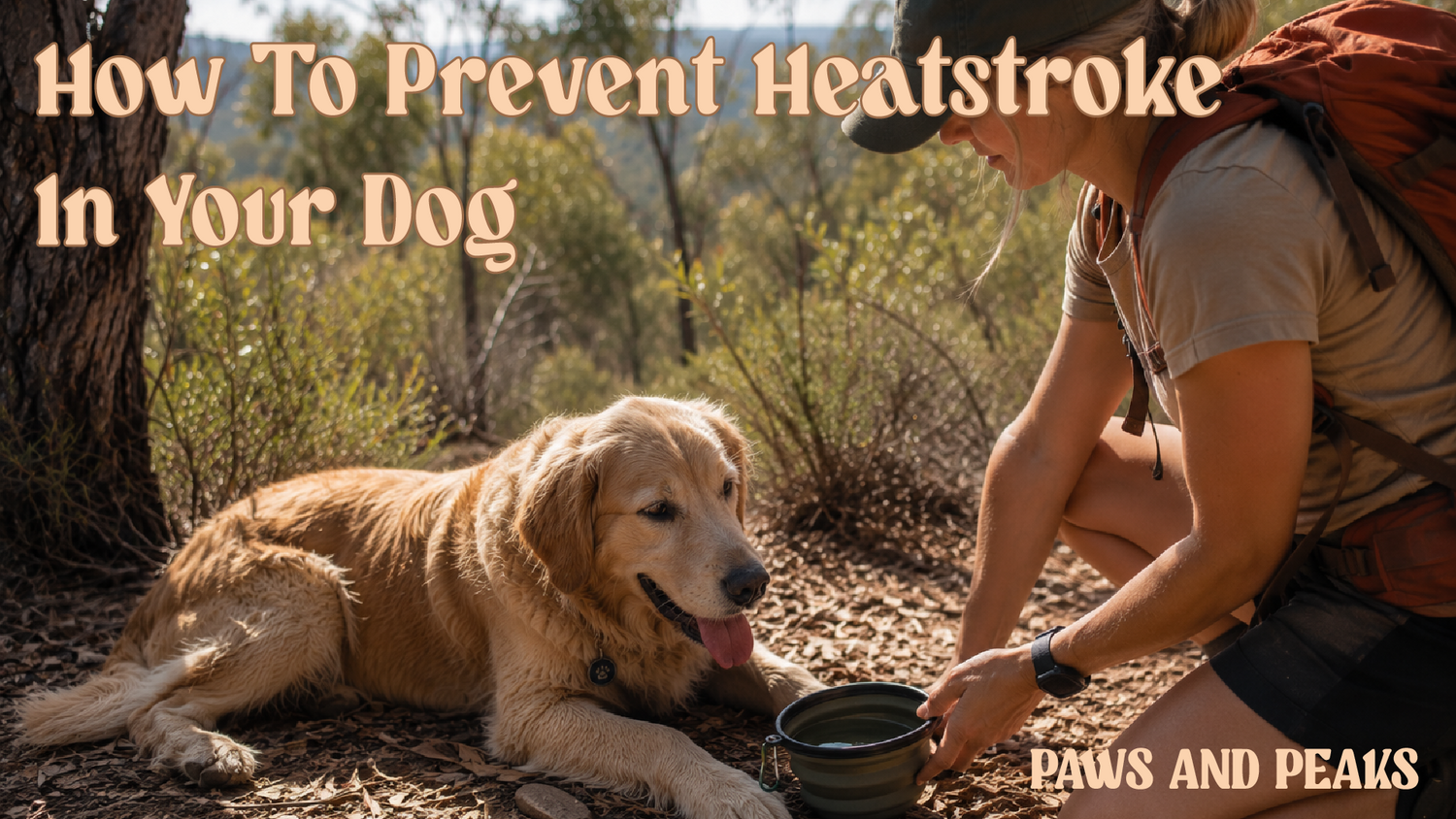
Whether you're hiking a trail, spending a day at the beach, or simply enjoying a walk around the neighbourhood, Australia's warm climate can quickly become dangerous for dogs.
Unlike people, dogs can't cool themselves efficiently through sweating. Instead, they rely mainly on panting to regulate their body temperature. When they become too hot and can't cool down fast enough, heatstroke can develop and it can become life-threatening within minutes.
Knowing the warning signs and acting quickly could save your dog's life.
What Is Heatstroke?
Heatstroke occurs when your dog's body temperature rises faster than it can cool itself down.
This causes the body's normal functions to begin shutting down and can affect the brain, heart, lungs, kidneys and other vital organs.
Without prompt veterinary treatment, heatstroke can become fatal.
What Causes Heatstroke?
Heatstroke isn't only caused by being left in a hot car.
Common causes include:
- Exercising during hot weather
- Hiking or running in direct sunlight
- Lack of shade
- Not having access to fresh drinking water
- High humidity
- Being left in a parked vehicle
- Spending too much time on hot sand or pavement
Even mild days can become dangerous if your dog is exercising vigorously.
Early Warning Signs
Recognising the early signs gives you the best chance of preventing the condition from becoming more severe.
Watch for:
- Excessive panting
- Bright red gums
- Drooling more than normal
- Lethargy
- Weakness
- Seeking shade or lying down frequently
- Reluctance to continue walking
- Increased heart rate
If your dog begins showing these signs, stop all activity immediately.
Serious Signs Of Heatstroke
As heatstroke progresses, symptoms may include:
- Vomiting
- Diarrhoea
- Stumbling or wobbling
- Confusion
- Collapse
- Difficulty breathing
- Seizures
- Loss of consciousness
These signs require immediate veterinary treatment.
What Should You Do?
If you suspect heatstroke:
- Move your dog into a cool, shaded area immediately.
- Offer small amounts of cool drinking water.
- Wet their body with cool (not icy) water.
- Place cool, wet towels over the body if available.
- Use a fan or air conditioning if possible.
- Contact your nearest veterinary clinic immediately.
- Transport your dog to the clinic as soon as possible.
Even if your dog appears to improve, they should still be examined by a veterinarian.
What Not To Do
Avoid:
- Using ice or ice baths.
- Forcing your dog to drink.
- Waiting to see if symptoms improve on their own.
- Resuming exercise once your dog appears better.
Cooling your dog too rapidly with ice can actually reduce heat loss by causing blood vessels to constrict.
Which Dogs Are More At Risk?
Some dogs are more susceptible to overheating than others, including:
- Brachycephalic (flat-faced) breeds
- Puppies
- Senior dogs
- Overweight dogs
- Dogs with heart or respiratory disease
- Dogs with thick double coats
These dogs often require extra care during warmer weather.
Preventing Heatstroke
Simple precautions can dramatically reduce the risk.
Before heading outdoors:
- Walk during the cooler parts of the day.
- Carry plenty of fresh water.
- Bring a collapsible water bowl.
- Take regular rest breaks.
- Choose shaded walking tracks where possible.
- Check pavement temperature before walking.
- Never leave your dog in a parked vehicle.
Preparation is always easier than dealing with an emergency.
Be Prepared Before Every Adventure
A well-stocked dog first aid kit is valuable for many outdoor emergencies, but it's important to remember that heatstroke always requires veterinary assessment.
Knowing the signs, carrying water, and planning your adventures around the weather can help prevent a fun day outdoors from becoming an emergency.
Every Adventure Should End Safely
Heatstroke can develop quickly, but it's also one of the most preventable emergencies affecting dogs.
By recognising the early warning signs, planning ahead and responding quickly, you can help keep your dog safe no matter where your adventures take you.
At Paws & Peaks, we believe every adventure starts with preparation. Because the best days outdoors are the ones where everyone makes it home safely.
