
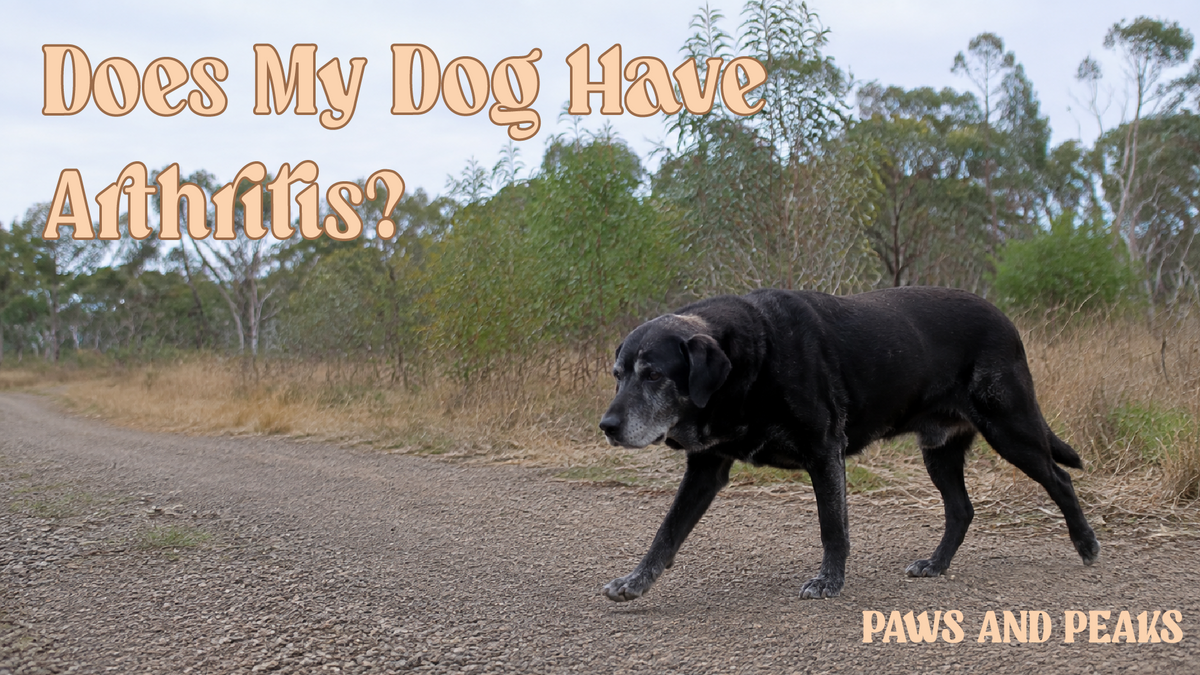
When an older dog starts slowing down, it is easy to assume they are simply getting old.
They may take longer to stand, hesitate before jumping into the car or seem less interested in their usual walk.
Although dogs naturally change as they age, reduced mobility and changes in behaviour can also indicate pain caused by arthritis.
Arthritis cannot be cured, but early veterinary care and appropriate management may help a dog remain comfortable and active.
Here’s what every dog owner should know.
What Is Arthritis In Dogs?
Arthritis, also called osteoarthritis or degenerative joint disease, is a condition that causes inflammation, pain and changes within a joint.
Healthy joints contain smooth cartilage that helps bones move against each other with minimal friction.
When that cartilage becomes damaged or deteriorates, movement may become stiff and painful. Changes can continue over time and affect the surrounding bone and soft tissues.
Arthritis may occur in one joint or several joints.
What Causes Arthritis?
Arthritis can develop because of:
• Age related joint changes
• Previous injuries
• Joint instability
• Developmental conditions
• Abnormal joint formation
• Repetitive stress
• Excess body weight
• Previous surgery
• Genetic or breed related factors
Although arthritis is commonly associated with senior dogs, younger dogs can also be affected.
Large breeds may face a greater risk of certain joint problems, but arthritis can occur in dogs of any size.
Early Signs Of Arthritis In Dogs
Arthritis does not always begin with an obvious limp.
Early signs may be subtle and appear gradually.
1. Taking Longer To Stand
Your dog may pause before rising from their bed or need several attempts to stand.
They may appear particularly stiff after sleeping or resting for an extended period.
Some dogs loosen up after moving for a few minutes, which can make the problem easy to overlook.
2. Hesitating Before Jumping
A dog that once jumped easily into the car or onto furniture may begin:
• Pausing before jumping
• Looking for a lower route
• Waiting to be lifted
• Refusing altogether
• Attempting the jump and stopping
This hesitation may reflect discomfort rather than stubbornness or fear.
3. Slowing Down On Walks
You may notice your dog:
• Walking behind you instead of ahead
• Stopping more frequently
• Taking shorter steps
• Becoming tired sooner
• Avoiding hills or stairs
• Wanting to return home earlier
Changes may be more noticeable after a long walk or on the following day.
4. Losing Interest In Play
Pain can make running, turning and sudden movements uncomfortable.
A dog with arthritis may stop chasing a ball, playing with other dogs or participating in activities they previously enjoyed.
They may still appear interested but withdraw once movement begins.
5. Changes In Their Behaviour
Pain may affect more than movement.
Your dog may:
• Become quieter
• Avoid interaction
• Seek more reassurance
• Appear restless
• Struggle to settle
• Sleep more
• Become irritable when touched
• React when handled around a painful area
Behavioural changes should not automatically be attributed to old age.
6. Licking A Joint
Some dogs repeatedly lick or chew an area that feels painful, even when there is no visible injury.
This may occur around the wrists, elbows, hips or knees.
Persistent licking can also have several other causes, so veterinary assessment is important.
7. Changes In Posture Or Muscle Shape
A dog may shift their weight away from a painful joint.
Over time, you might notice:
• An altered stance
• A hunched or rigid posture
• Uneven muscle development
• Thinner muscles around an affected leg
• Greater weight placed on the front or opposite side of the body
These changes can develop gradually and may be easier to identify by comparing older photographs or videos.
Does Cold Weather Make Arthritis Worse?
Many owners notice that their dog appears stiffer during cold or damp weather.
Winter may make existing mobility problems more noticeable, particularly after extended periods of rest.
Keeping your dog warm and providing a dry, well padded sleeping area may improve comfort, but seasonal stiffness should still be discussed with your veterinarian.
Cold weather does not mean that pain is unavoidable or that nothing can be done.
How Is Arthritis Diagnosed?
Your veterinarian will assess your dog’s movement, joints, muscle condition and response to gentle manipulation.
They may ask:
• When the changes began
• Which activities have become difficult
• Whether symptoms vary throughout the day
• Whether your dog has experienced previous injuries
• What exercise your dog normally receives
• Whether their behaviour has changed
Further tests such as X-rays may be recommended.
Taking short videos of your dog walking, standing and using stairs at home can provide useful information, particularly if they move differently at the veterinary clinic.
How Is Arthritis Managed?
Arthritis management is usually tailored to the individual dog.
Your veterinarian may recommend a combination of approaches rather than relying on one treatment alone.
These may include:
• Veterinary pain relief
• Anti inflammatory medication
• Disease modifying treatment
• Weight management
• Controlled exercise
• Physiotherapy or rehabilitation
• Changes to the home environment
• A veterinary joint diet
• Appropriate supplements
Treatment should be reviewed over time as your dog’s needs change.
Never Give Human Pain Medication
Do not give your dog human pain relief unless a veterinarian specifically directs you to do so.
Common medications such as ibuprofen and paracetamol can be dangerous or potentially fatal to dogs.
Veterinary medications must also be given exactly as prescribed. Never change the dose or combine treatments without professional advice.
Can Dogs With Arthritis Still Exercise?
Dogs with arthritis usually benefit from appropriate, regular movement.
Gentle exercise can help maintain muscle strength, support joint movement and assist with weight management.
Depending on your veterinarian’s advice, suitable activity may include:
• Short, steady walks
• Several brief walks instead of one long walk
• Flat and predictable paths
• Controlled movement at a comfortable pace
• Veterinary supervised rehabilitation
• Swimming or hydrotherapy when professionally recommended
The goal is consistency, not intensity.
Exercise To Avoid Or Modify
Activities involving sudden impact, sharp turns or repetitive jumping may place additional strain on painful joints.
You may need to modify:
• Repeated ball chasing
• Long distance running
• Steep climbs
• Jumping from vehicles
• Rough play
• Slippery or uneven surfaces
• Long walks after periods of inactivity
Your veterinarian or animal rehabilitation professional can help create an appropriate exercise plan.
How To Make Adventures More Comfortable
Arthritis does not necessarily mean outdoor adventures must end.
They may simply need to change.
Before leaving:
• Choose a shorter, flatter route
• Check the weather
• Allow extra time
• Avoid slippery or unstable terrain
• Bring water
• Plan regular rest breaks
• Know where you can turn back
• Watch your dog rather than focusing on distance
Your dog’s comfortable limit may vary from one day to the next.
A shorter walk that leaves them feeling well is better than a longer adventure that causes pain later.
Watch How They Feel Afterwards
A dog may appear enthusiastic during an activity despite experiencing discomfort.
Monitor them later that day and the following morning for:
• Increased stiffness
• Difficulty standing
• Limping
• Restlessness
• Reluctance to walk
• Excessive sleeping
• Licking a joint
• Reduced appetite
• Behavioural changes
If your dog regularly struggles after exercise, their activity plan may need to be adjusted.
Supporting Your Dog At Home
Small environmental changes can make daily movement safer and more comfortable.
Consider:
• A supportive, well padded bed
• Non slip mats on smooth floors
• A ramp for entering the car
• Blocking unsafe stair access
• Raised or repositioned essentials if recommended
• Keeping food, water and bedding easily accessible
• Maintaining a warm, dry resting area
• Keeping nails appropriately trimmed
Avoid encouraging your dog to repeatedly jump from high furniture.
Why Weight Management Matters
Additional body weight increases the load carried by painful joints.
Keeping your dog within a healthy weight range can be an important part of arthritis management.
Ask your veterinarian to assess your dog’s body condition and recommend an appropriate feeding plan.
Do not begin a severe calorie restriction or unbalanced homemade diet without professional guidance.
What About Joint Supplements?
Products containing ingredients such as omega 3 fatty acids, green lipped mussel, glucosamine or chondroitin are widely available.
Evidence, quality and appropriate doses can vary between products. Supplements may also interact with other treatments or be unsuitable for an individual dog.
Ask your veterinarian whether a supplement is appropriate and which veterinary product they recommend.
Human supplements are not automatically safe for pets.
When Should You Contact A Vet?
Arrange a veterinary appointment if your dog:
• Develops stiffness or a limp
• Takes longer to stand
• Avoids stairs or jumping
• Becomes reluctant to exercise
• Changes their walking style
• Reacts when a joint is touched
• Begins licking a particular joint
• Shows ongoing behavioural changes
• Struggles after normal activity
Early assessment can identify arthritis as well as other conditions that may produce similar signs.
When Is Mobility Trouble More Urgent?
Seek prompt veterinary attention if your dog:
• Suddenly cannot stand
• Cannot place weight on a leg
• Cries out in severe pain
• Develops sudden weakness or paralysis
• Drags one or more limbs
• Has significant swelling
• Experiences mobility problems after a fall or injury
• Loses control of their bladder or bowel
• Appears distressed or collapses
A sudden mobility change should not be assumed to be arthritis.
Ageing Should Not Mean Living With Untreated Pain
Dogs often adapt quietly as their mobility changes.
A shorter stride, hesitation at the car or reluctance to play may appear minor, but these changes can be important signs of discomfort.
With early veterinary support, suitable exercise and thoughtful adjustments at home and outdoors, many dogs with arthritis can continue enjoying a good quality of life.
At Paws & Peaks, we believe every adventure is safer when preparation comes first. Because the best memories are made outdoors, and every dog deserves to come home safely.
